How to Choose the Right Air Dome Air Conditioner is one of the most important questions for businesses and organizations operating large temporary or permanent structures.
Air domes are widely used for sports facilities, industrial warehouses, exhibition halls, outdoor events, military shelters, and commercial storage spaces because they provide flexible and cost-effective covered environments. However, maintaining a stable indoor temperature inside these large structures can become challenging without the proper cooling system.
Unlike traditional buildings, air-supported structures experience continuous airflow pressure, varying occupancy levels, solar heat gain, and changing outdoor weather conditions. These factors directly affect cooling efficiency, energy consumption, and indoor comfort.
Selecting the wrong air dome cooling system can lead to uneven airflow, increased operating costs, equipment overload, and poor temperature control during peak operations.
A properly designed air dome air conditioner helps maintain consistent airflow, balanced humidity levels, and reliable climate control across large spaces. Businesses today also focus on energy-efficient dome cooling systems to reduce operational expenses while ensuring long-term HVAC performance.
Whether the application involves sports dome cooling, temporary event cooling, or industrial climate control, choosing the right commercial HVAC solution plays a major role in operational success.
How to Choose the Right Air Dome Air Conditioner for Large Structures
Large air-supported structures require a reliable cooling system to maintain indoor comfort, protect equipment, and support continuous operations. Whether used for sports facilities, exhibition halls, industrial warehouses, temporary shelters, or outdoor events, an air dome air conditioner plays a critical role in temperature control and airflow management.
Unlike traditional buildings, inflatable domes and temporary structures have unique HVAC demands. Heat accumulation, changing occupancy levels, solar exposure, and airflow pressure all affect cooling performance. Choosing the wrong system can lead to uneven cooling, high energy consumption, operational downtime, and increased maintenance costs.
Understanding how to choose the right air dome air conditioner helps facility managers, engineers, and event organizers improve efficiency while maintaining stable indoor conditions throughout the year.
Understanding How Air Dome Air Conditioners Work
An air dome cooling system is designed to regulate temperature, humidity, and airflow inside air-supported structures. These systems maintain a controlled indoor climate while supporting continuous air circulation throughout large spaces.
Air-Supported Structure Cooling Basics
Air domes rely on internal air pressure to maintain their structure. Because of this design, HVAC systems must work together with ventilation systems to maintain balanced airflow and temperature consistency.
Unlike standard buildings, large dome structures experience:
- Rapid heat buildup
- Uneven airflow zones
- High occupancy heat loads
- Increased solar heat gain
An industrial air dome air conditioner must therefore provide high-capacity cooling with consistent airflow distribution.
Importance of Airflow and Temperature Control
Poor airflow distribution often creates hot spots inside large structures. A properly designed commercial air dome HVAC system helps maintain stable temperatures across the entire space.
Key airflow objectives include:
- Balanced air circulation
- Proper humidity control
- Reduced condensation risks
- Stable indoor pressure
- Continuous fresh air exchange
These factors are especially important in sports dome cooling systems and large event cooling solutions where occupancy changes frequently.
Key Components of an Air Dome HVAC System
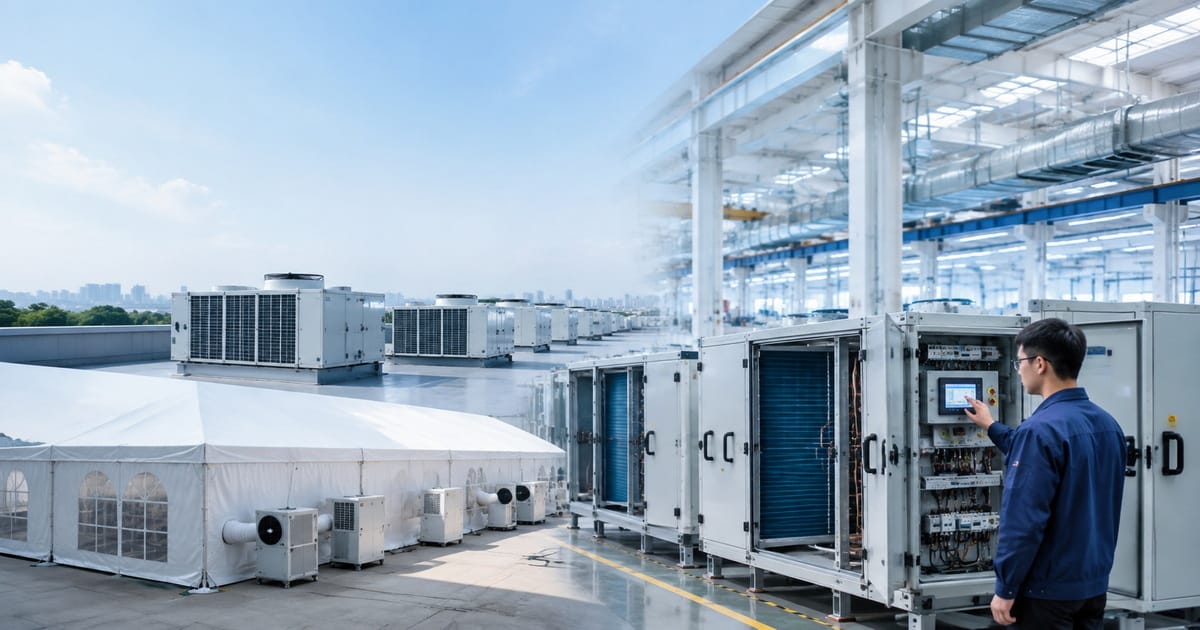
Most large structure cooling solutions include:
- Industrial chillers or compressors
- Air handling units
- Flexible duct systems
- Ventilation equipment
- Temperature monitoring systems
- Portable or centralized cooling units
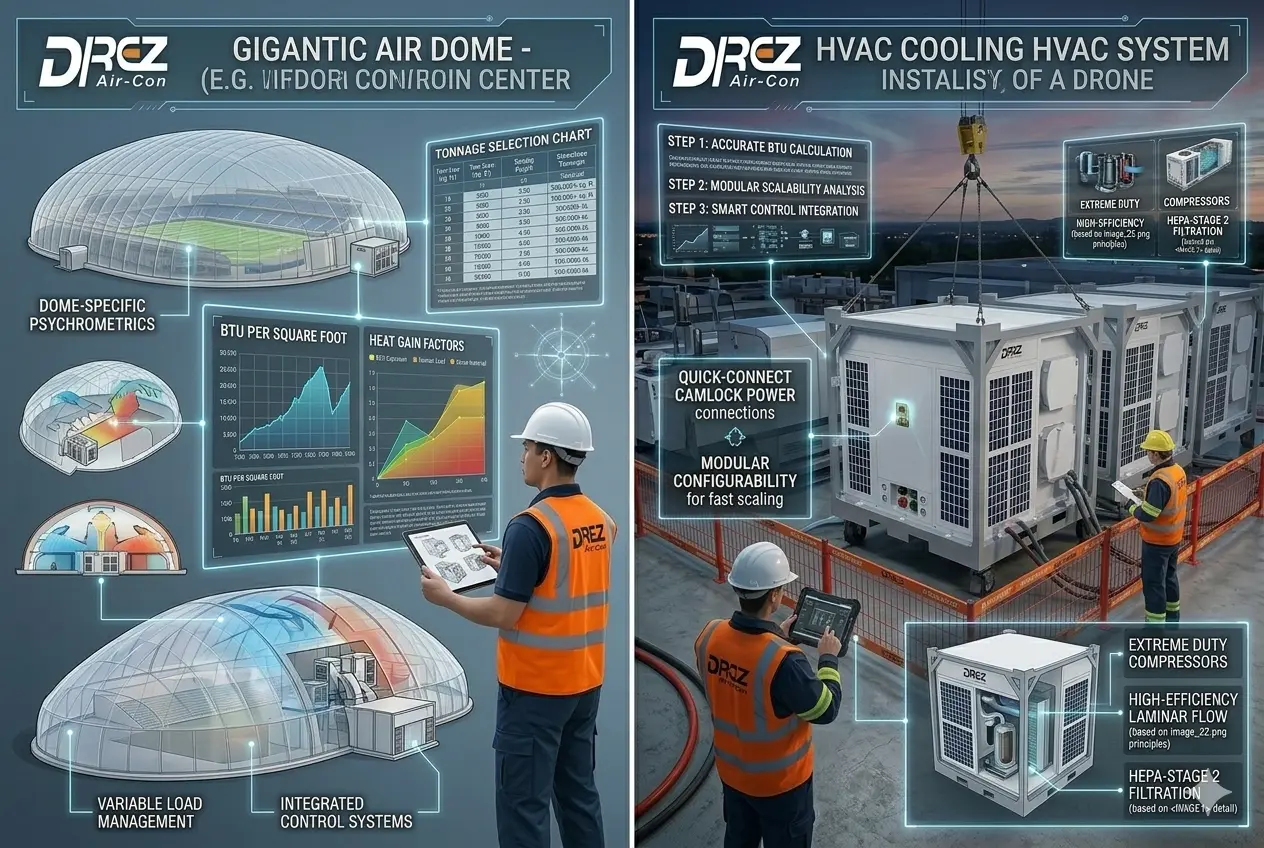
Portable air dome air conditioners are commonly used for temporary structures, while permanent facilities may require centralized commercial HVAC systems.
Why Choosing the Right Air Dome Air Conditioner Is Important
Selecting the right cooling solution directly impacts operational efficiency, user comfort, and long-term operating costs.
Impact on Comfort and Performance
Indoor temperature affects:
- Athlete performance in sports domes
- Visitor comfort at exhibitions
- Equipment reliability in warehouses
- Productivity in industrial facilities
Research from large indoor sports facilities shows that indoor temperatures above recommended levels can significantly reduce occupant comfort and operational efficiency.
A properly sized air dome cooling system helps maintain stable environmental conditions during peak occupancy periods.
Energy Efficiency and Operating Costs
Cooling large structures requires substantial energy. Choosing an oversized or undersized system increases operating expenses.
An energy efficient dome cooling system reduces:
- Electricity consumption
- Compressor overload
- Maintenance frequency
- Cooling inconsistencies
Modern HVAC solution for inflatable structures now includes inverter technology, smart controls, and variable airflow systems to improve efficiency.
Equipment Reliability for Large Events and Facilities
Temporary event structures often operate for extended hours in demanding weather conditions. Cooling failures can affect operations and visitor experience.
Reliable industrial temporary cooling systems should provide:
- Continuous operation
- Stable airflow
- Fast cooling response
- Low maintenance requirements
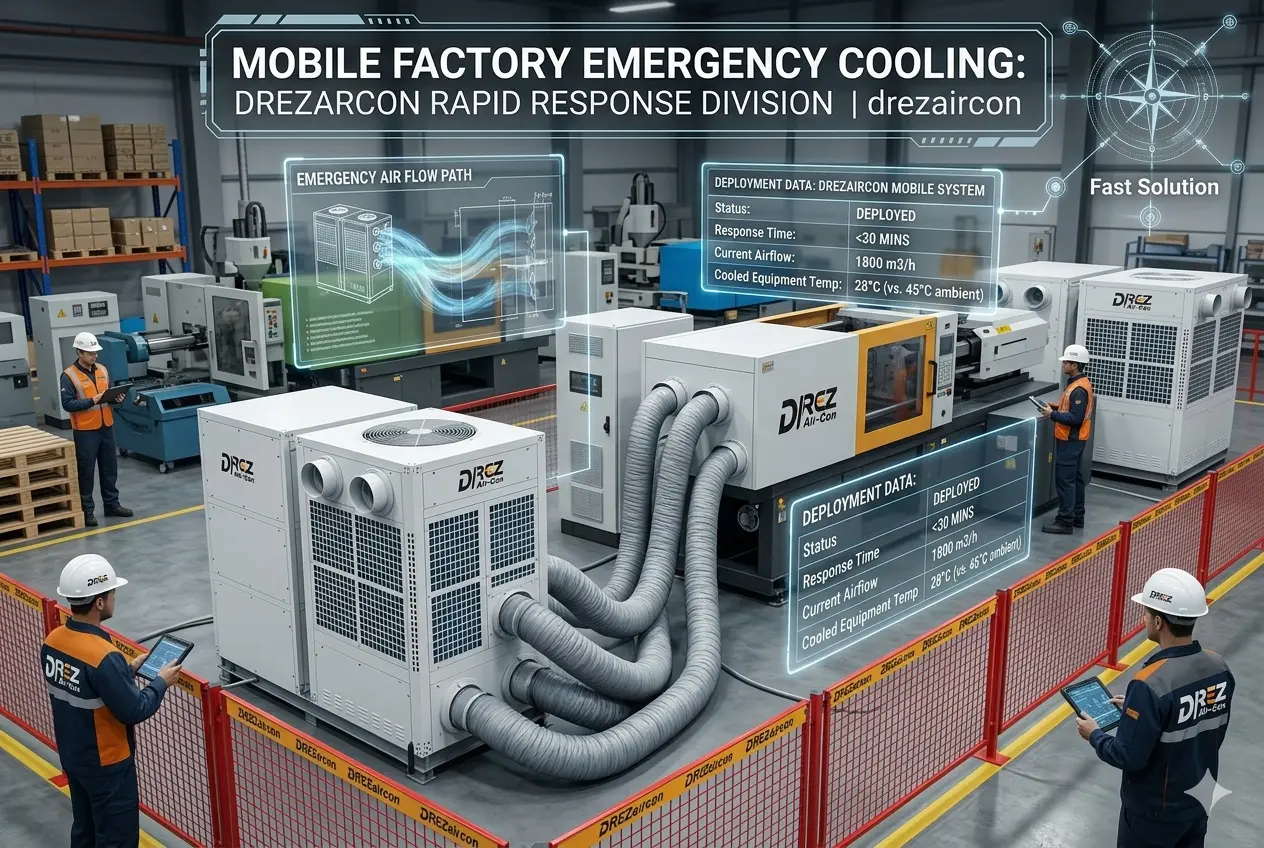
This is especially important for outdoor event cooling systems and emergency temporary cooling systems.
Key Factors to Consider When Choosing an Air Dome Air Conditioner
Structure Size and Cooling Capacity
Cooling capacity is one of the most important considerations.
Large structures require HVAC systems capable of handling:
- Internal heat generation
- Solar heat gain
- Occupancy levels
- Equipment heat output
Cooling requirements are typically measured in BTUs or tons.
Large venue air conditioning systems often require customized cooling calculations based on dome dimensions and operational conditions.
Indoor Occupancy and Heat Load
People generate heat inside enclosed structures. A sports dome hosting hundreds of athletes and spectators requires significantly more cooling capacity than a storage facility.
Heat load sources include:
- Human occupancy
- Lighting systems
- Electronic equipment
- Outdoor weather conditions
Ignoring these factors can reduce cooling efficiency.
Climate and Outdoor Weather Conditions
Environmental conditions strongly influence cooling requirements.
Facilities operating in hot climates require:
- Higher cooling capacity
- Strong airflow systems
- Enhanced ventilation
- Energy-efficient compressors
Industrial climate control equipment should be selected according to regional temperatures and seasonal conditions.
Airflow Distribution Requirements
Even cooling distribution is critical inside inflatable structures.
Poor airflow design can create:
- Hot zones
- Condensation buildup
- Inconsistent cooling
- Pressure imbalance
High-capacity air conditioning units with engineered duct systems improve airflow stability across large spaces.
Energy Efficiency Ratings
Energy efficiency directly affects operating costs.
Look for systems with:
- Variable speed compressors
- Smart thermostat integration
- High-efficiency fans
- Energy-saving operation modes
Low energy air dome cooling systems are increasingly preferred for commercial applications.
Portability and Installation Flexibility
Temporary event structures often require mobile cooling solutions.
Portable systems offer:
- Quick deployment
- Easy relocation
- Flexible installation
- Reduced infrastructure requirements
Trailer-mounted and industrial portable air conditioner units are commonly used for temporary structures and outdoor events.
Noise Control and Operational Stability
Noise management is important for sports facilities, exhibitions, and conference structures.
A professional air dome HVAC solution should maintain:
- Stable operation
- Controlled vibration
- Low operational noise
Advanced commercial systems now include noise-reduction technology for indoor comfort.
Types of Air Dome Air Conditioners for Large Structures
Portable Air Dome Air Conditioners
Portable systems are ideal for:
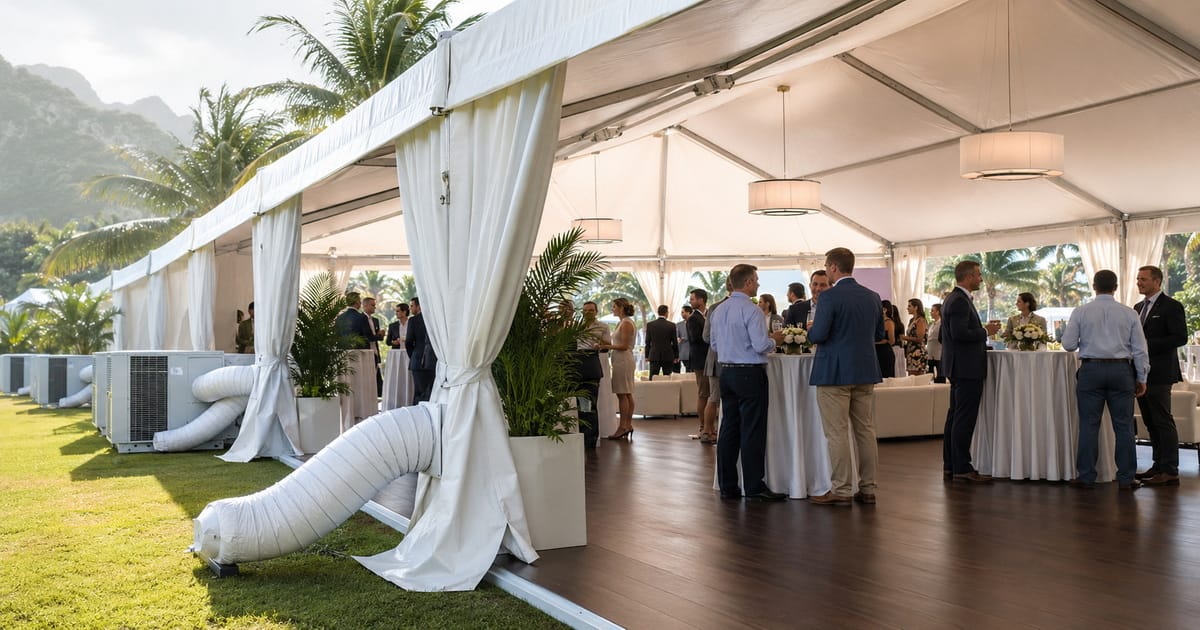
- Temporary event cooling
- Exhibition structures
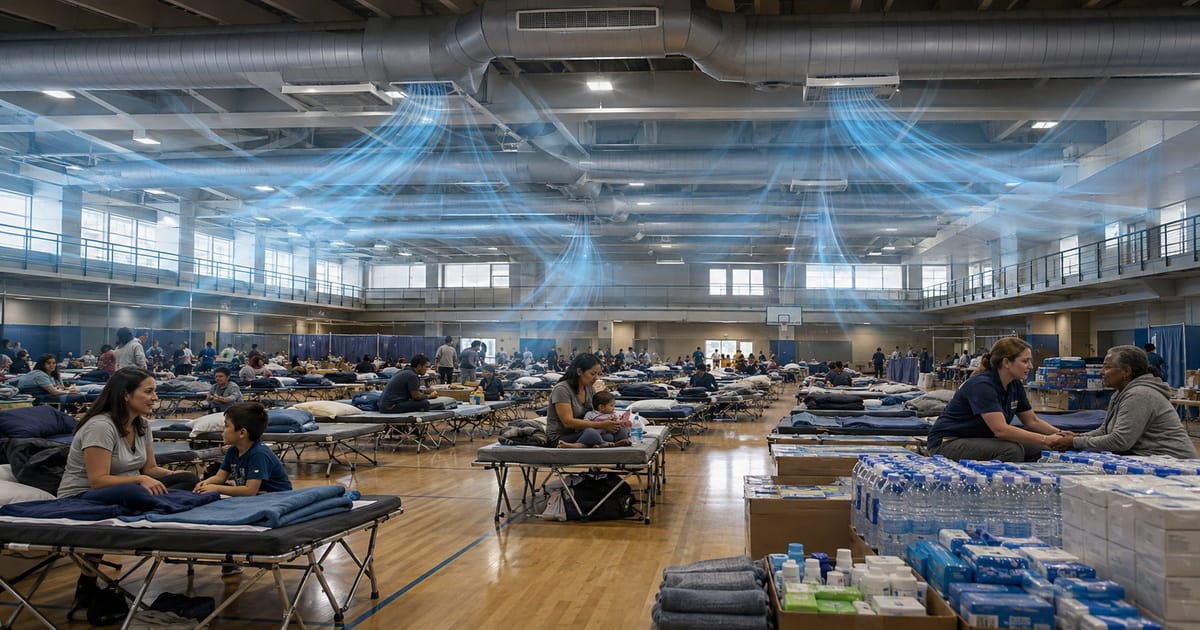
- Emergency shelters
- Seasonal installations
These units provide mobility and fast installation.
Industrial Temporary Cooling Systems
Industrial systems are designed for:
- Large-scale cooling
- Continuous operation
- High heat load environments
These are commonly used in factories and large warehouses.
Centralized Commercial HVAC Systems
Permanent sports domes and industrial facilities often use centralized HVAC infrastructure.
Benefits include:
- Consistent cooling
- Automated temperature management
- Long-term operational efficiency
Trailer-Mounted Cooling Units
Trailer-mounted systems are effective for outdoor inflatable structure cooling applications requiring mobility and high-capacity airflow.
Best Air Dome Cooling Solutions for Different Applications
Sports Facilities and Stadium Domes
Sports facilities require stable climate control for athlete performance and spectator comfort.
Cooling priorities include:
- Humidity control
- Air circulation
- Temperature consistency
Sports dome cooling systems must support continuous airflow during peak occupancy.
Exhibition and Event Structures
Event structures experience changing occupancy and equipment heat loads.
Commercial cooling systems for events should provide:
- Fast temperature adjustment
- Flexible airflow control
- Portable installation
Industrial Warehouses and Factories
Warehouse dome cooling systems help maintain equipment protection and employee comfort.
Industrial applications require:
- Heavy duty tent air conditioner systems
- High airflow capacity
- Reliable continuous operation
Emergency and Temporary Shelters
Emergency temporary cooling systems support disaster relief and temporary housing facilities.
Portable cooling systems are preferred because of their rapid deployment capabilities.
How to Calculate the Right Cooling Capacity for an Air Dome
BTU Requirements for Large Spaces
Cooling calculations depend on:
- Dome size
- Occupancy
- Climate conditions
- Equipment heat output
Undersized systems struggle to maintain temperature stability, while oversized systems waste energy.
Factors Affecting Cooling Performance
Cooling efficiency can be affected by:
- Poor insulation
- Direct sunlight exposure
- Air leakage
- Ventilation limitations
Air dome ventilation systems help improve cooling effectiveness.
Avoiding Undersized or Oversized Systems
Incorrect sizing increases:
- Energy consumption
- Wear and tear
- Maintenance costs
Professional cooling assessments improve long-term performance.
Energy-Efficient Air Dome Air Conditioning Strategies
Reducing Energy Consumption
Energy-saving strategies include:
- Smart thermostat integration
- Zoned cooling
- Variable-speed compressors
- Scheduled operation controls
Smart Temperature Control Systems
Modern commercial temporary HVAC solutions now use automated monitoring systems for precise climate control.
Benefits include:
- Lower operating costs
- Better temperature accuracy
- Reduced equipment strain
Improving Ventilation Efficiency
Efficient ventilation improves airflow balance while reducing humidity buildup inside air-supported structures.
Easy Installation Features to Look For
An efficient air dome AC installation process should include:
- Flexible duct compatibility
- Quick-connect systems
- Portable deployment options
Maintenance Tips for Long-Term Performance
Regular maintenance includes:
- Cleaning filters
- Inspecting airflow systems
- Checking refrigerant levels
- Monitoring compressor performance
Preventive maintenance improves cooling reliability.
Preventing Common Cooling System Problems
Common issues include:
- Restricted airflow
- Uneven cooling
- Compressor overload
- Condensation buildup
Routine inspections reduce operational risks.
Common Mistakes to Avoid When Selecting an Air Dome Air Conditioner
Choosing Based on Price Alone
Low-cost systems may increase long-term operating expenses through poor efficiency and frequent repairs.
Ignoring Airflow Requirements
Cooling capacity alone is not enough. Proper airflow distribution is essential for large structure cooling efficiency.
Overlooking Future Expansion Needs
Facilities planning future expansion should invest in scalable cooling infrastructure.
Why DREZ Aircon Is a Reliable Choice for Air Dome Cooling Solutions
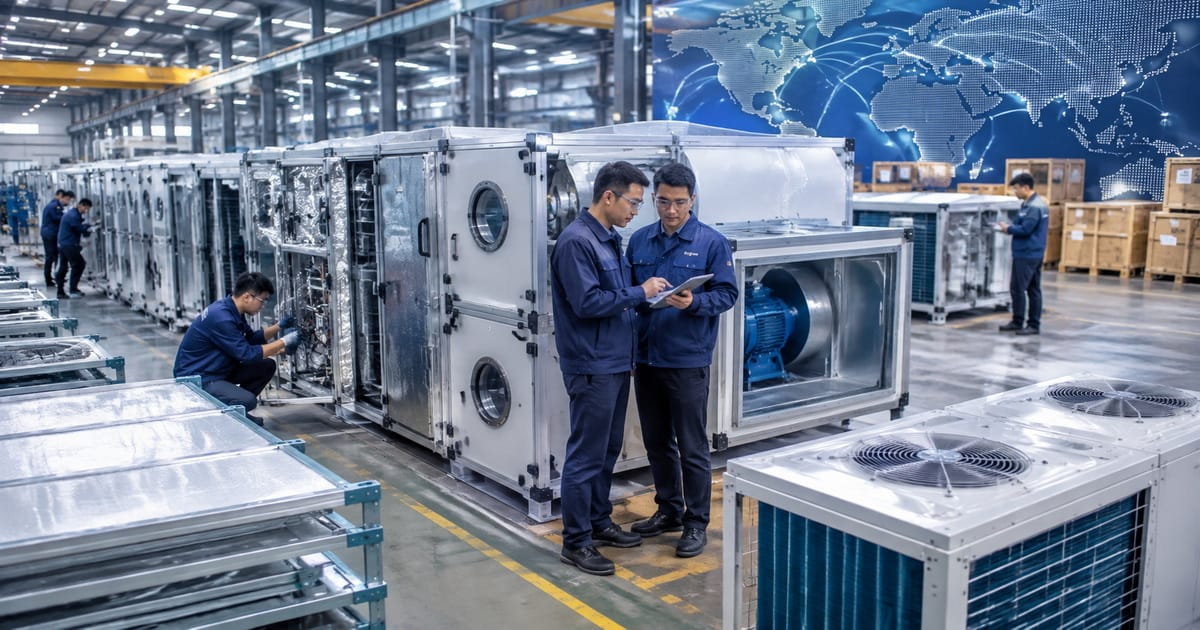
DREZ Aircon provides industrial-grade cooling solutions designed for large temporary and commercial structures.
The company focuses on:
- Air dome cooling systems
- Industrial temporary cooling equipment
- Portable HVAC solutions
- Event cooling systems
- Commercial large-space climate control
For projects involving sports facilities, exhibitions, warehouses, or temporary event structures, customized cooling solutions improve operational reliability and indoor comfort.
Summary
Choosing the right air dome air conditioner requires careful evaluation of cooling capacity, airflow design, energy efficiency, portability, and environmental conditions.
Large structures demand specialized HVAC systems capable of maintaining stable indoor temperatures while supporting continuous airflow and efficient operation.
Whether the application involves sports domes, event facilities, industrial warehouses, or temporary structures, selecting the correct cooling solution improves comfort, operational performance, and long-term energy efficiency.
Businesses investing in professional air dome cooling systems can reduce downtime, improve occupant experience, and maintain stable environmental control across large spaces.
Frequently Asked Questions (FAQs)
What size air conditioner is best for an air dome?
The correct size depends on structure dimensions, occupancy, climate conditions, and heat load calculations. Large structures often require industrial-grade cooling systems.
Can portable AC units cool large dome structures?
Yes. Portable air dome air conditioners are commonly used for temporary structures, exhibitions, and event cooling applications.
How energy efficient are air dome cooling systems?
Modern systems with inverter compressors and smart controls are designed to reduce energy consumption while maintaining stable indoor temperatures.
What industries use air dome air conditioners?
Industries include sports facilities, event management, warehousing, manufacturing, military operations, and emergency relief services.
How often should an air dome HVAC system be maintained?
Routine maintenance should be performed regularly depending on operating conditions, system size, and usage frequency to maintain cooling efficiency and reliability.