“How to Choose the Right Tent Air Conditioner Size for Large Outdoor Events (Complete Sizing Guide)” is one of the most important considerations for event planners, engineers, and rental companies working with temporary structures. In large outdoor events such as weddings, exhibitions, trade shows, and industrial gatherings, maintaining a stable indoor temperature is critical for guest comfort and operational success.
Unlike permanent buildings, tents are exposed to changing outdoor conditions, direct sunlight, crowd-generated heat, and equipment loads, which makes proper cooling capacity planning essential.
Choosing the wrong tent air conditioner size can lead to serious issues such as uneven cooling, system overload, higher energy consumption, or complete failure during peak event hours. On the other hand, an accurately sized system ensures efficient airflow, balanced temperature distribution, and optimized energy usage throughout the event duration.
This is why understanding tent air conditioner sizing guide for large outdoor events is not just technical knowledge but a practical requirement for delivering a successful experience.
Modern tent cooling systems are designed to handle different capacities, but selecting the right tonnage and BTU level depends on multiple factors including tent size, occupancy, climate conditions, and event type.
How to Choose the Right Tent Air Conditioner Size for Large Outdoor Events (Complete Sizing Guide)
We will also break down key factors, sizing methods, and practical selection steps to help you choose the most efficient tent cooling system for any event type.
1. Introduction to Tent Air Conditioner Sizing for Large Outdoor Events
Choosing the correct tent air conditioner size for large outdoor events is not just a technical step it directly affects guest comfort, equipment safety, and overall event success. Whether it is a wedding marquee, exhibition hall, or industrial temporary structure, incorrect sizing leads to two common problems: undercooling or excessive energy consumption.
In outdoor environments, heat load changes rapidly due to sunlight, crowd density, lighting systems, and tent material. This is why tent air conditioner sizing guide for large event spaces becomes essential for planners, engineers, and rental companies.
This guide explains how to calculate cooling capacity, understand BTU requirements, and select the right system for different event conditions.
2. Understanding Tent Air Conditioning Systems for Large Outdoor Venues
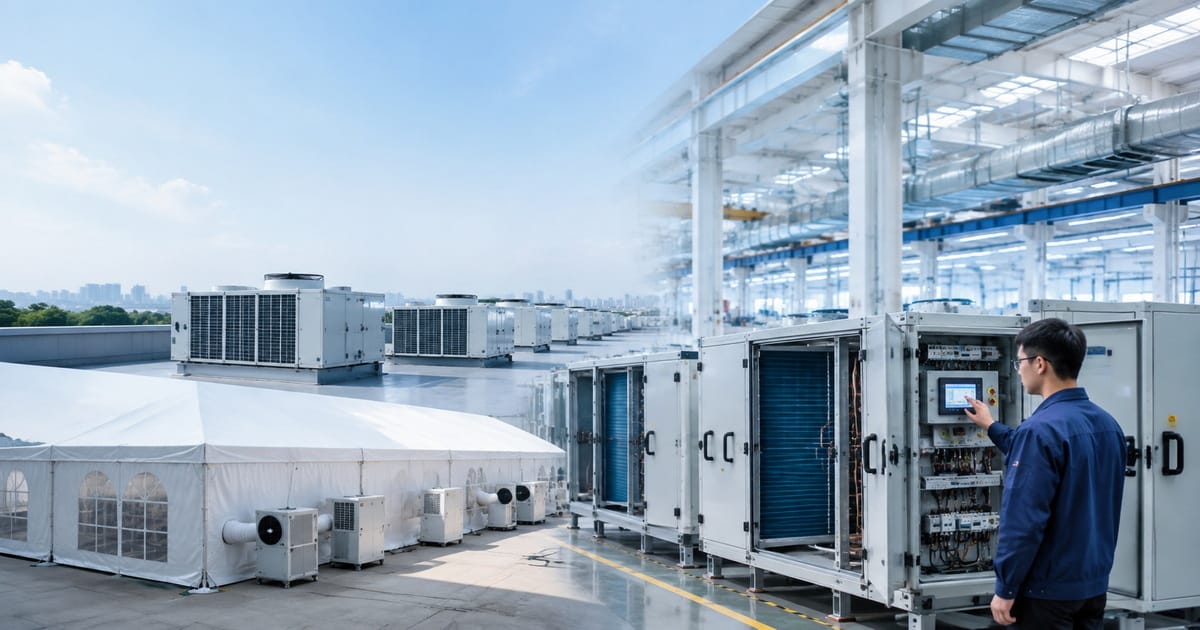
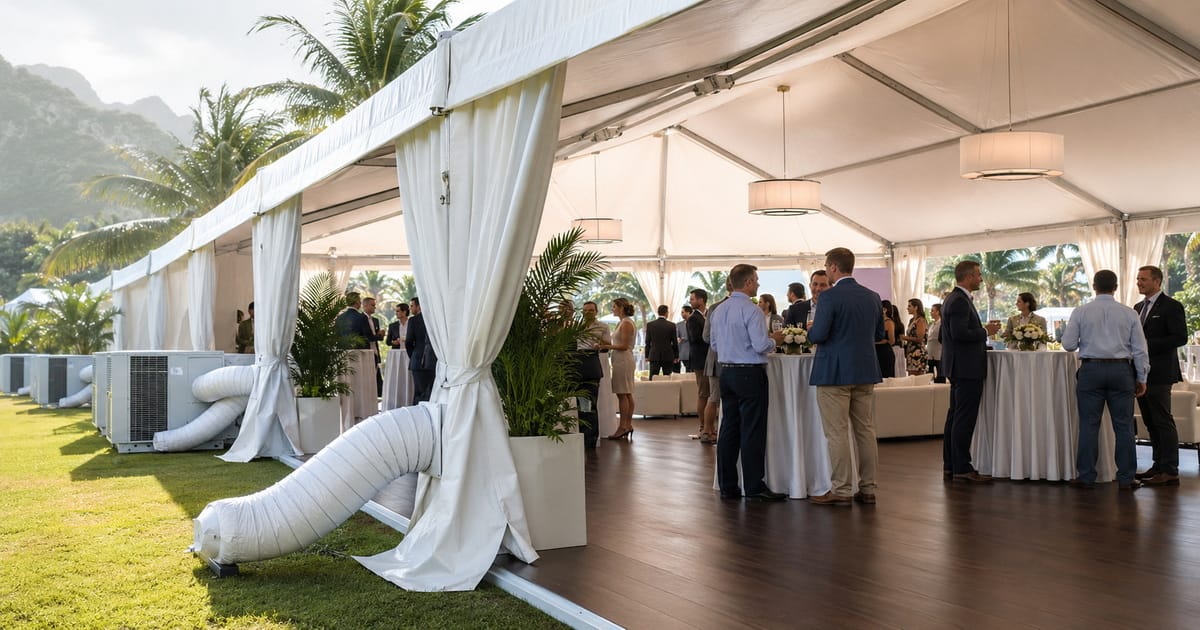
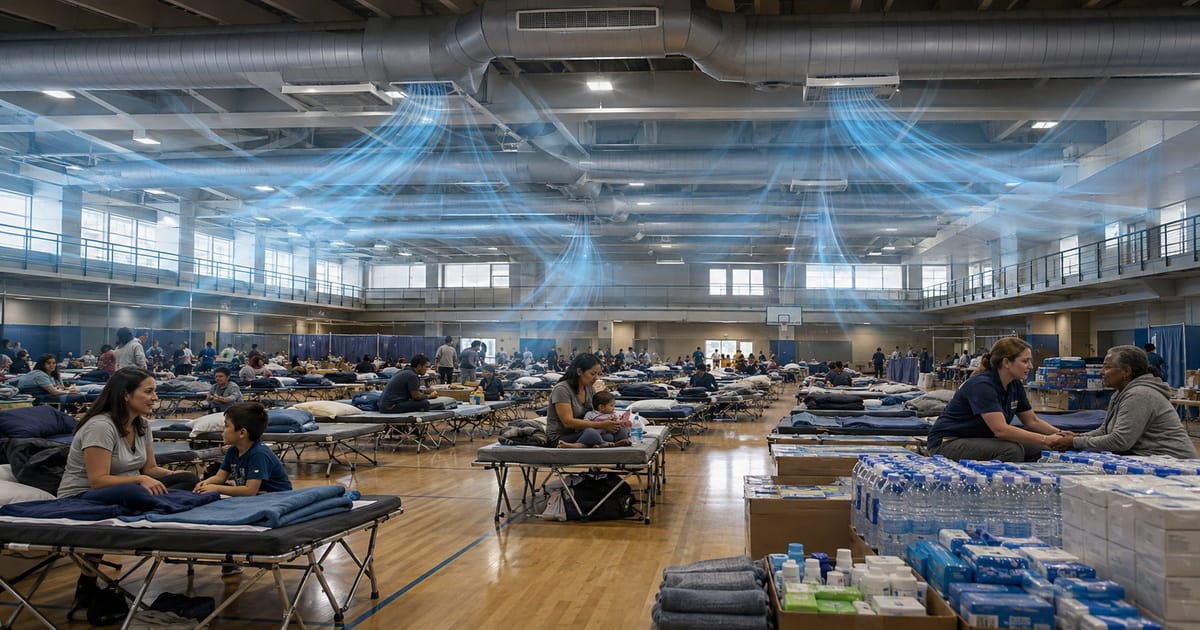
A tent air conditioning system is a temporary HVAC solution designed to cool enclosed or semi-enclosed fabric structures. These systems are widely used in:
- Weddings and luxury events
- Outdoor exhibitions and trade shows
- Industrial camps and temporary warehouses
- Emergency relief shelters
Common system types include:
- Portable industrial air conditioners
- Ducted tent cooling systems
- High-capacity split outdoor units
- Trailer-mounted HVAC systems
Each system varies in airflow capacity, measured in CFM (cubic feet per minute), and cooling power measured in BTU or tons.
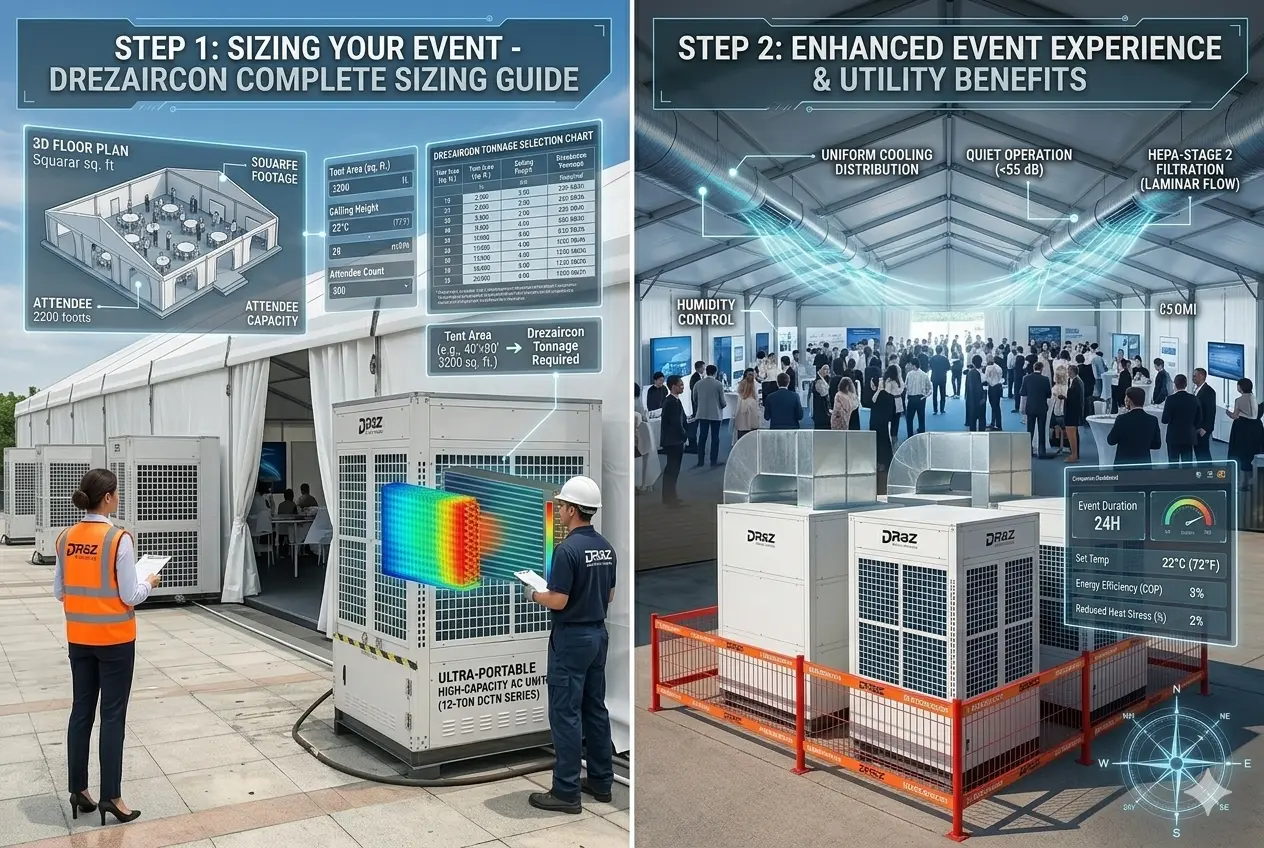
3. How Tent Air Conditioner Sizing Works (BTU and Ton Calculation Guide)
The core of tent air conditioner sizing is based on BTU (British Thermal Unit) and tonnage conversion.
Standard Conversion:
- 1 Ton of AC = 12,000 BTU/hour
Basic Formula for Tent Cooling Load:
Cooling Load (BTU) = Tent Volume × Heat Load Factor
For outdoor tents:
- Light occupancy: 30–40 BTU per sq ft
- Medium occupancy: 40–60 BTU per sq ft
- High-density events: 60–80 BTU per sq ft
Example:
A 40×60 ft tent = 2,400 sq ft
- Medium load (50 BTU/sq ft):
→ 120,000 BTU ≈ 10 Ton AC system required
This calculation forms the foundation of all tent cooling capacity selection guides.
4. Key Factors That Affect Tent Air Conditioner Size Selection
Correct sizing depends on multiple environmental and operational variables:
1. Tent Dimensions
Larger height increases air volume and cooling demand.
2. Occupancy Load
Each person generates approximately 400–600 BTU/hour.
3. Outdoor Temperature
High ambient temperatures increase system load significantly.
4. Event Type
Lighting systems, stage equipment, and cooking stations add heat.
5. Tent Material
PVC and vinyl tents trap more heat compared to fabric mesh tents.
These variables are essential in cooling load calculation for outdoor tents.
5. Tent Air Conditioner Sizing Guide for Different Event Types
Wedding Tent Air Conditioning Requirements
- 200–600 guests
- Requires stable comfort cooling (24–26°C target)
- Recommended: 8–20 ton systems depending on tent size
Exhibition and Trade Show Cooling
- High lighting + electronic equipment
- Requires continuous airflow distribution
- Recommended: 10–30 ton modular systems
Outdoor Festivals and Large Gatherings
- High crowd density
- Open-air heat exposure
- Requires redundant systems for stability
Industrial and Temporary Sites
- Warehouse-style tents
- Machinery heat load included
- Recommended: 20+ ton industrial HVAC units
6. How to Calculate the Right Tent Air Conditioner Size Step-by-Step
Step 1: Measure Tent Area
Length × Width = Square footage
Step 2: Determine Occupancy Load
Estimate number of guests or workers
Step 3: Apply BTU Load Factor
Use 40–80 BTU per sq ft depending on heat conditions
Step 4: Convert to Tons
Divide total BTU by 12,000
Step 5: Adjust for Real Conditions
- Add 10–20% for hot climates
- Add extra capacity for lighting systems
This structured method is widely used in industrial tent HVAC sizing systems.
7. Common Mistakes in Tent Air Conditioner Sizing and How to Avoid Them
Mistake 1: Undersizing the System
Leads to overheating and poor guest experience
Mistake 2: Ignoring Crowd Heat Load
Each person increases cooling demand significantly
Mistake 3: Poor Air Distribution Design
Cooling may remain uneven inside large tents
Mistake 4: Ignoring Ventilation Losses
Open entrances reduce cooling efficiency
Avoiding these errors ensures stable temporary air conditioning for events.
8. Best Tent Air Conditioner Size for Large Outdoor Events
For practical decision-making:
| Tent Size | Recommended Capacity |
|---|---|
| 20×30 ft | 5–8 ton |
| 30×50 ft | 8–12 ton |
| 40×60 ft | 10–15 ton |
| 60×100 ft | 20–30 ton |
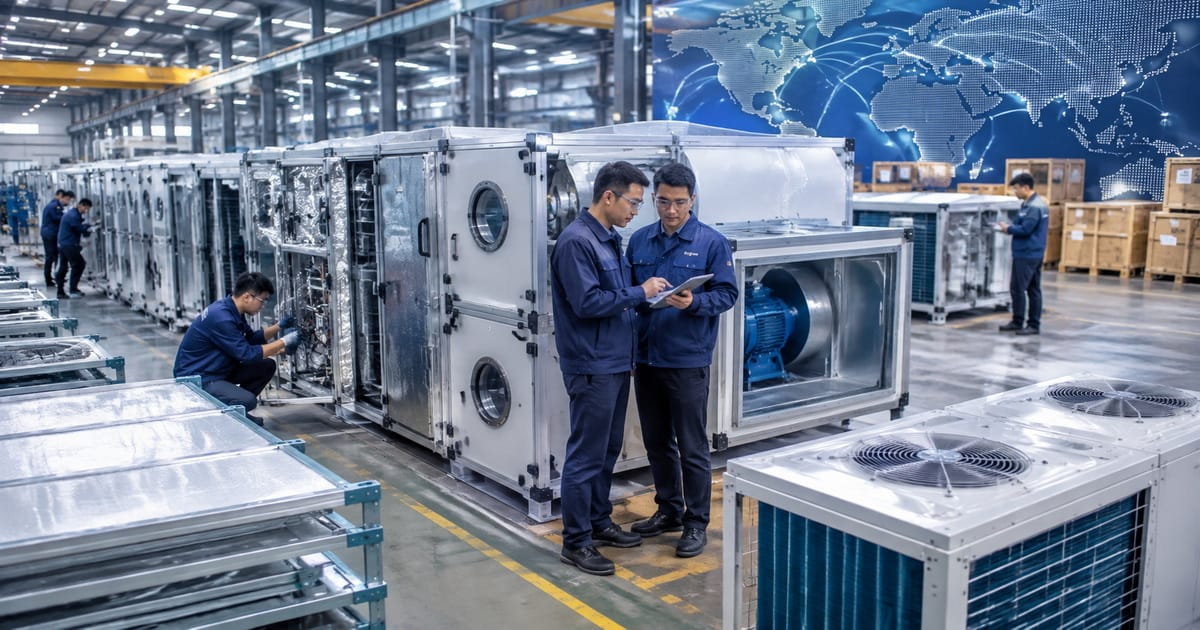
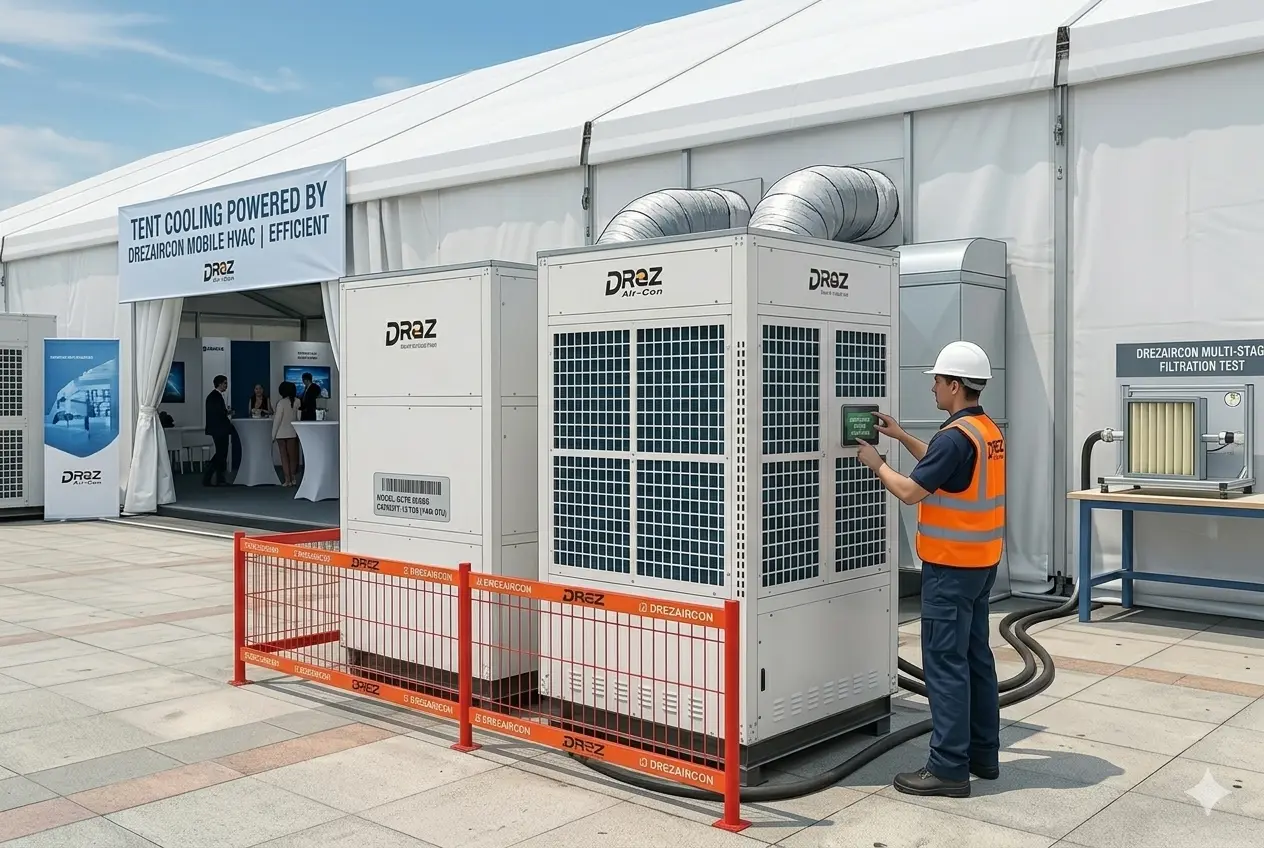
For large-scale projects, companies like Drez Aircon (drezaircon.com) provide modular systems that can be scaled based on event demand.
These systems are widely used in high capacity tent air conditioner selection for industrial and commercial events.
9. Energy Efficiency and Performance Optimization for Tent Cooling Systems
Energy efficiency is critical in long-duration events.
Optimization Techniques:
- Use ducted air distribution systems
- Position units outside direct sunlight
- Maintain sealed tent environments
- Use inverter-based compressor systems
System Comparison:
- Ducted systems → better airflow control
- Non-ducted systems → faster setup, lower efficiency
Proper design improves energy efficient tent cooling systems performance.
10. Cost Considerations for Tent Air Conditioner Sizing and Selection
Cost depends on:
- Cooling capacity (tonnage)
- Rental vs purchase model
- Event duration
- Installation complexity
Market Insight:
- Small tent AC: low operational cost
- Industrial systems: higher upfront investment but scalable
Many event companies prefer modular systems for flexibility in commercial tent cooling equipment manufacturer solutions.
11. FAQs About Tent Air Conditioner Sizing for Large Outdoor Events
Q1: How many BTU are needed for a large tent?
It depends on size and occupancy, typically 40–80 BTU per sq ft.
Q2: What size AC is best for a wedding tent?
Usually 8–20 tons depending on guest count and tent size.
Q3: Can one AC cool a large outdoor tent?
Only for small tents. Large events require multiple units.
Q4: What is the biggest mistake in tent cooling?
Undersizing the system for crowd and heat load conditions.
Summary : Choosing the Right Tent Air Conditioner for Maximum Cooling Efficiency
Selecting the right tent air conditioner size for large outdoor events requires more than guesswork. It is a structured engineering decision based on BTU calculations, occupancy heat load, and environmental conditions.
A properly sized system ensures:
- Stable indoor temperature
- Energy efficiency
- Guest comfort
- Equipment protection
For large-scale and industrial requirements, modular and high-capacity systems from manufacturers like Drez Aircon provide scalable solutions for different event types.
Understanding sizing fundamentals helps event planners and engineers design reliable temporary cooling systems for large outdoor tents with predictable performance.