Air dome air conditioner systems are advanced temporary HVAC solutions designed to deliver powerful and consistent cooling in large enclosed environments such as event tents, industrial domes, exhibition halls, and outdoor structures.
Unlike conventional air conditioning units that are limited to small or fixed spaces, an air dome air conditioner is engineered to handle high heat loads, rapid temperature changes, and continuous operation in demanding conditions. These systems play a critical role in maintaining comfort and safety during large-scale gatherings, commercial events, and industrial operations where temperature control is essential.
The operation of an air dome air conditioner involves a combination of high-capacity cooling units, ducted airflow distribution, and centralized control systems that work together to ensure even cooling across the entire space. Proper usage is important to achieve maximum efficiency, reduce energy consumption, and maintain stable indoor conditions throughout the operation period.
Understanding how to correctly operate this system is essential for event managers, HVAC technicians, and facility operators who handle temporary cooling setups.
How to Operate an Air Dome Air Conditioner: Complete Step-by-Step Guide
Air dome air conditioners are specialized temporary HVAC systems designed for large enclosed or semi-enclosed structures such as tents, domes, exhibition halls, industrial sites, and outdoor event venues. Unlike traditional residential air conditioners, these systems are built to handle high heat loads, large air volumes, and continuous operation in demanding environments.
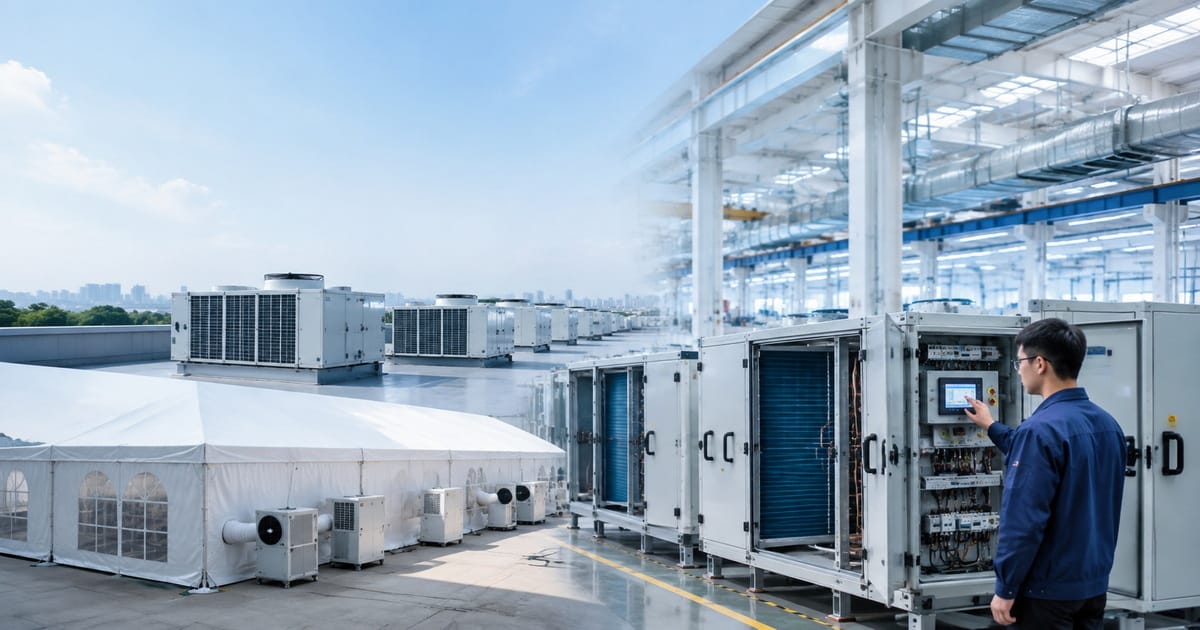
A typical air dome air conditioning system includes high-capacity cooling units, ducting systems, airflow distribution fans, and temperature control panels. These systems are widely used in event cooling, industrial temporary setups, emergency relief camps, and large-scale outdoor functions such as weddings and exhibitions.
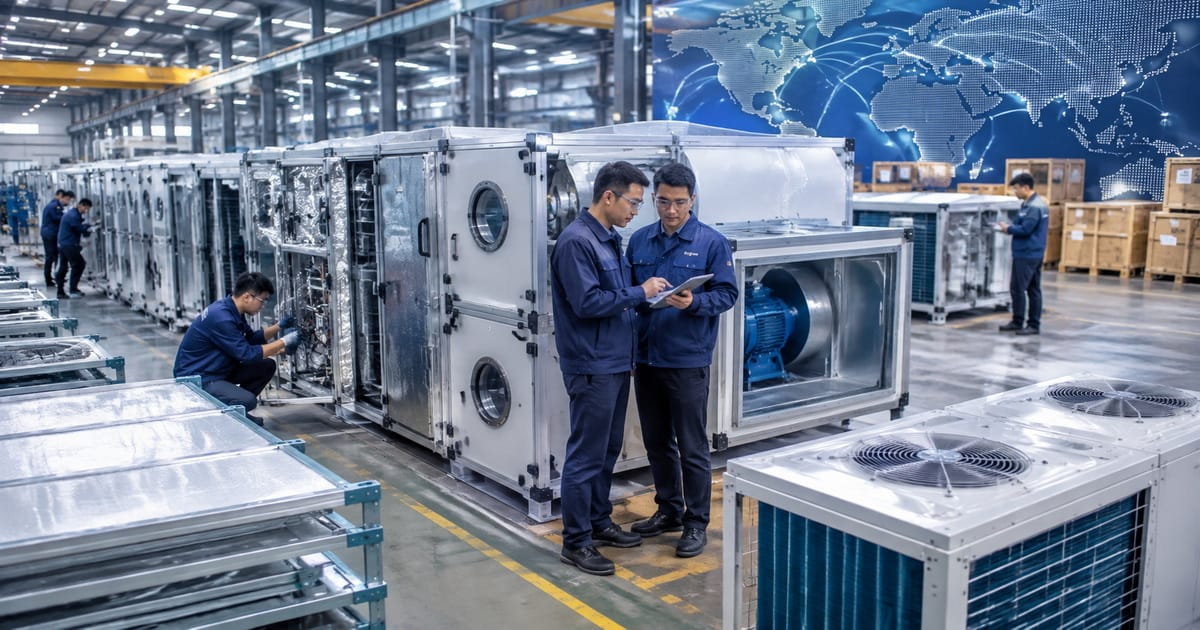
Brands like DREZ Aircon specialize in providing engineered cooling solutions for such applications, focusing on performance stability and large-space climate control.
How Air Dome Air Conditioner Works (System Overview)
To operate the system effectively, it is important to understand how it works.
An air dome air conditioner operates using a centralized cooling mechanism that pushes chilled air through ducts into a large enclosed space.
Key Working Components:
- Compressor unit (cooling core)
- Air handling unit (AHU)
- Flexible ducting system
- High-capacity blower fans
- Temperature control panel
- Air distribution outlets
Working Principle:
The system pulls in warm air, cools it using refrigerant cycles, and distributes conditioned air evenly across the dome or tent structure. The goal is to maintain uniform temperature distribution even in large-volume spaces.
This is different from split AC systems because air dome systems are designed for:
- High airflow rate (CFM-based cooling)
- Large space coverage
- Continuous industrial operation
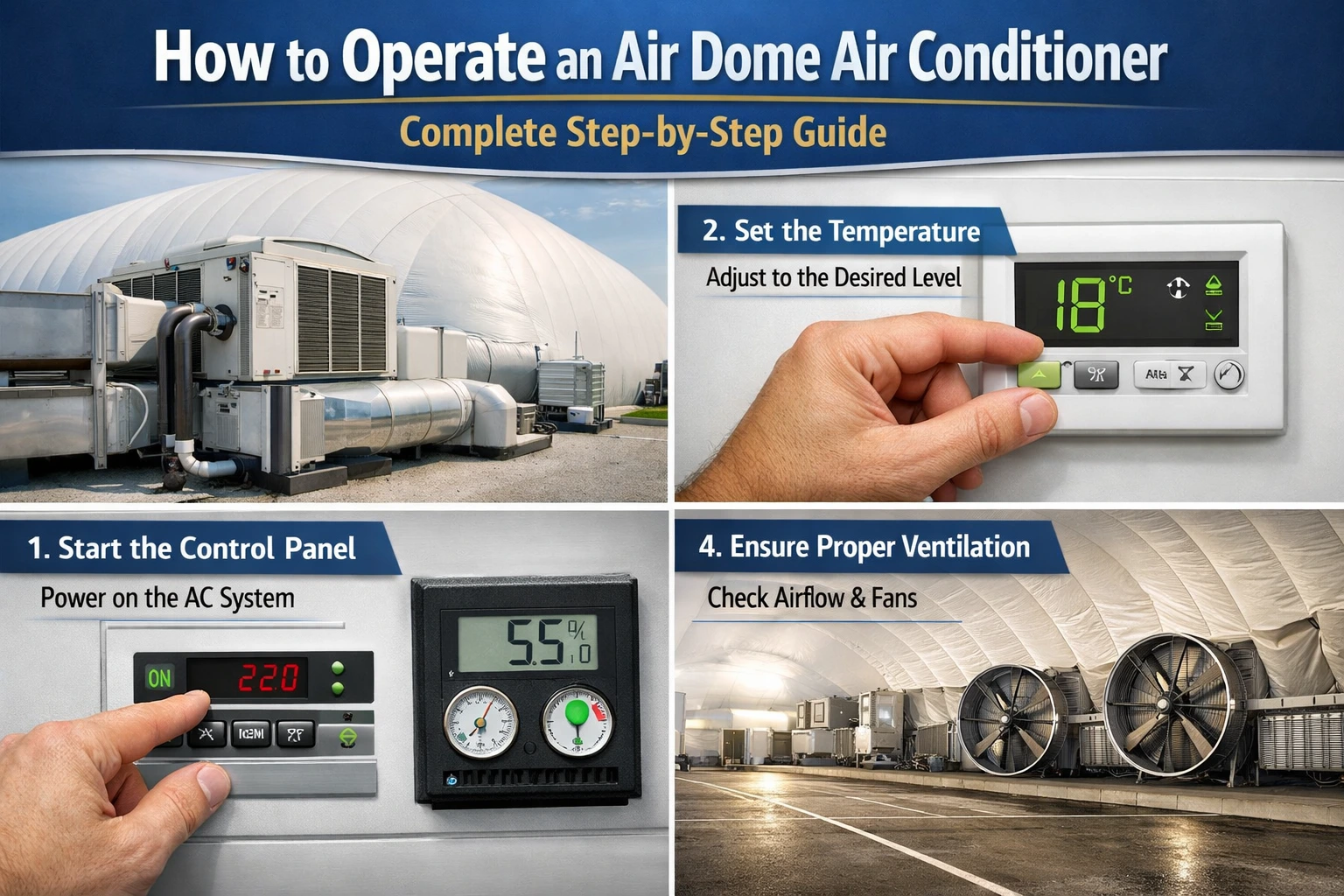
Pre-Operation Checklist Before Starting the System
Before starting the air dome air conditioner, proper inspection ensures safety and efficiency.
1. Power Supply Check
Ensure:
- Stable industrial power source
- Proper voltage compatibility
- Grounding and circuit protection
2. System Inspection
Check:
- Air ducts are properly connected
- No leakage in duct joints
- Fans and vents are unobstructed
3. Air Filter Condition
- Clean filters for smooth airflow
- Replace if dust blockage is high
4. Site Readiness
- Tent or dome structure fully sealed
- Entry points closed to minimize heat leakage
Step-by-Step Guide: How to Operate an Air Dome Air Conditioner
This section explains the core operational process in a structured sequence.
Step 1: Powering On the System Safely
Start by switching on the main power supply connected to the HVAC control panel. Ensure that all breakers are in a stable position before activation.
Wait for system diagnostics to complete. Most industrial air dome AC systems perform a self-check before full startup.
Step 2: Setting Temperature and Airflow Controls
Once the system is active:
- Set desired temperature based on occupancy load
- Adjust airflow strength according to tent size
- Select cooling mode (standard or high-load operation)
For large event tents, recommended operating temperature is typically between 22°C to 26°C depending on external heat conditions.
Step 3: Adjusting Cooling Modes for Tent Environment
Air dome systems usually include multiple modes:
- Normal cooling mode (low occupancy)
- High-performance cooling mode (full occupancy)
- Eco mode (energy-saving operation)
Select mode based on:
- Number of people inside
- Outdoor temperature
- Event duration
Step 4: Monitoring Airflow and System Pressure
During operation:
- Monitor airflow consistency in all ducts
- Check for uneven cooling zones
- Ensure pressure levels remain stable
Uneven airflow usually indicates duct blockage or improper sealing of the dome structure.
Step 5: Stabilizing Temperature in Large Dome Structures
After 15–30 minutes of operation, the system begins stabilizing temperature.
At this stage:
- Avoid frequent door openings
- Maintain sealed environment
- Monitor temperature distribution
This is critical in maintaining uniform cooling in large tent structures.
Air Dome Air Conditioner Installation and Setup Guide
Proper installation directly affects system performance.
Tent AC Setup Instructions
- Position main unit outside the structure
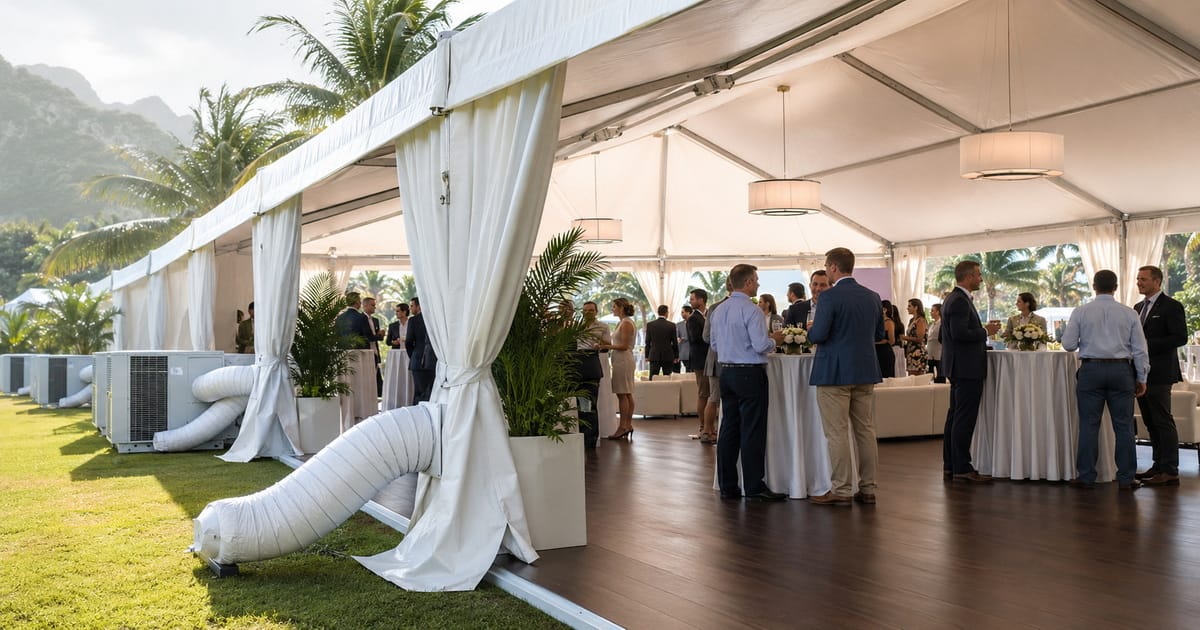
- Connect insulated ducts into the dome interior
- Ensure airflow outlets face central zones
HVAC Placement Strategy
- Keep cooling unit away from heat sources
- Maintain clearance for airflow circulation
- Avoid duct bending or compression
Duct Connection Best Practices
- Use heat-resistant ducting material
- Seal joints tightly to prevent air leakage
- Use reinforced clamps for stability
Optimizing Cooling Performance in Large Tents
To maximize efficiency, operators should follow these engineering practices:
Air Distribution Efficiency
- Use multiple outlet points for uniform cooling
- Avoid centralized airflow concentration
Load Management
- Adjust cooling based on occupancy
- Reduce heat entry points (doors, lighting)
Energy Efficiency Tips
- Operate at optimal temperature range
- Use eco mode during low occupancy periods
- Maintain clean filters for airflow efficiency
In industrial applications, systems optimized properly can improve cooling efficiency by up to 20–30% depending on environmental conditions.
Safety Guidelines for Operating Air Dome Air Conditioners
Safety is critical in industrial HVAC systems.
Electrical Safety
- Always use grounded connections
- Avoid overloading circuits
Operational Safety
- Do not block air vents during operation
- Avoid direct exposure to high-pressure airflow outlets
Emergency Protocols
- Know emergency shut-off location
- Keep backup power plan for critical events
Maintenance Guide for Air Dome Cooling Systems
Regular maintenance ensures long-term reliability.
Routine Maintenance Tasks
- Clean air filters every 1–2 weeks
- Inspect ducts for leakage
- Check compressor performance
Preventive Maintenance Schedule
- Monthly system inspection
- Quarterly refrigerant level check
- Annual full system servicing
Proper maintenance can significantly extend system lifespan and reduce breakdown risks during peak usage.
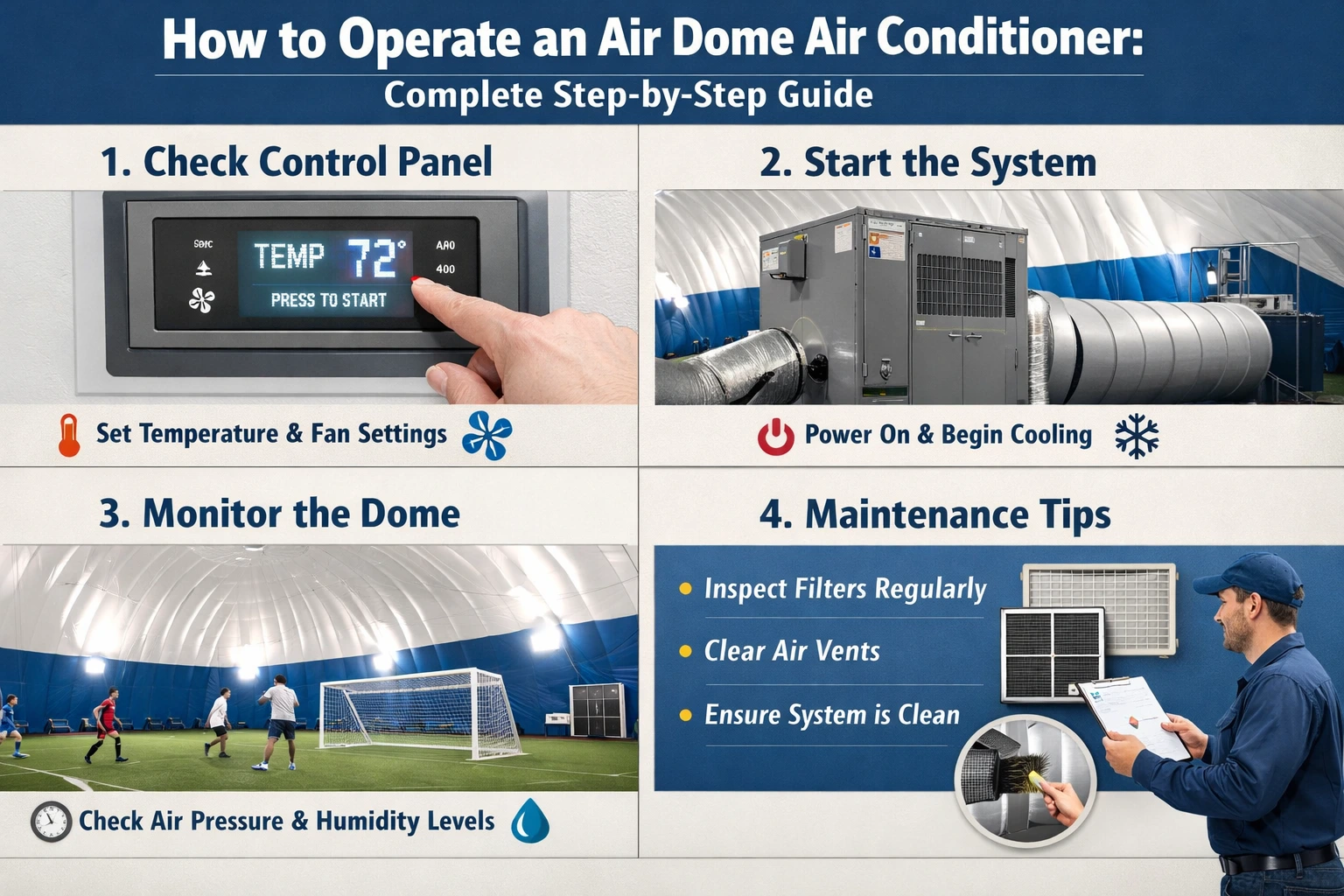
Troubleshooting Common Air Dome Air Conditioner Issues
1. Low Cooling Performance
Possible causes:
- Dirty filters
- Refrigerant shortage
- Air leakage in ducts
2. Uneven Cooling in Tent
- Improper airflow distribution
- Blocked duct outlets
3. System Not Starting
- Power supply failure
- Circuit breaker tripped
4. Excessive Noise or Vibration
- Loose fan components
- Improper installation alignment
Applications of Air Dome Air Conditioning Systems
Air dome systems are widely used in multiple industries:
Event Cooling
- Weddings
- Exhibitions
- Concert tents
Industrial Applications
- Temporary factory cooling
- Construction site offices
Emergency Cooling
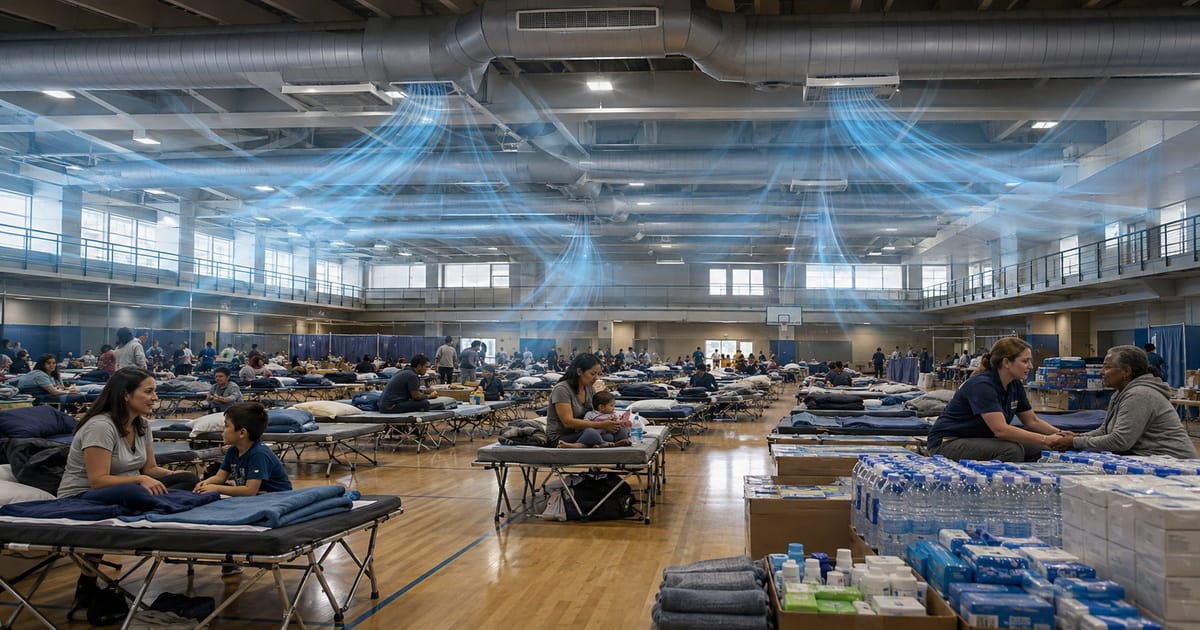
- Disaster relief camps
- Temporary shelters
Large Outdoor Installations
- Military operations
- Sports events
DREZ Aircon systems are engineered for such demanding environments where standard AC systems fail.
FAQs: How to Operate an Air Dome Air Conditioner
How do you start an air dome air conditioner?
Turn on the main power supply, check system diagnostics, and set temperature controls from the panel.
What is the correct way to operate a tent air conditioner?
Ensure proper installation, sealed environment, and balanced airflow before running the system.
How long does it take to cool a large dome tent?
Typically 15–30 minutes depending on size, insulation, and outdoor temperature.
Can air dome air conditioners run continuously?
Yes, industrial-grade systems are designed for continuous 24/7 operation with proper maintenance.
Final Take : Best Practices for Efficient Air Dome AC Operation
Operating an air dome air conditioner requires proper setup, structured execution, and continuous monitoring. When installed and operated correctly, these systems deliver stable cooling performance in large-scale environments where traditional HVAC systems cannot function effectively.
For industrial-grade temporary cooling solutions, companies like DREZ Aircon provide engineered systems designed specifically for tents, domes, and outdoor applications.
By following this step-by-step guide, operators can ensure:
- Efficient cooling performance
- Energy optimization
- System safety and reliability
- Long-term operational stability