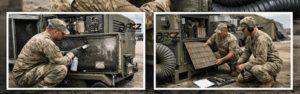
Best Factory Air Conditioner for Warehouse is essential for maintaining optimal temperature, ensuring worker comfort, and protecting machinery and inventory in large industrial spaces. Warehouses, factories, and production facilities face unique cooling challenges due to high ceilings, large floor areas, heat generated by heavy machinery, and variable occupancy levels. Unlike residential or commercial AC units, industrial-grade factory air conditioners are designed to handle significant cooling loads efficiently while operating continuously under demanding conditions.
Choosing the right system is not only about achieving the desired temperature but also about energy efficiency, operational reliability, and long-term cost savings. Properly designed factory cooling systems reduce electricity consumption, extend equipment lifespan, and maintain a consistent environment that supports productivity and product quality. With multiple options available from heavy-duty integrated units to portable and modular solutions industrial operators need to evaluate capacity, airflow distribution, noise levels, and maintenance requirements carefully.
Best Factory Air Conditioner for Warehouse: Energy-Efficient Industrial Cooling Solutions That Work
In this guide, we will explain how to select the best factory air conditioner for warehouse, explore different types of systems, highlight key features, and provide practical insights to ensure your warehouse remains efficiently cooled and operationally optimized.
1. Introduction: Why Choosing the Right Factory Air Conditioner Matters
Maintaining a consistent and efficient temperature is critical in warehouses and industrial spaces. Improper cooling can lead to equipment overheating, inventory damage, and uncomfortable working conditions, which reduce productivity. Choosing the right factory air conditioner ensures operational efficiency, energy savings, and compliance with industrial standards.
Industrial warehouse AC systems are designed to handle large spaces, high ceilings, and heat generated by machinery, unlike residential units. This blog focuses on energy-efficient industrial solutions, helping warehouse managers and industrial operators make informed decisions.
2. Understanding Warehouse Cooling Needs
Warehouse cooling requirements depend on multiple factors:
- Size of the warehouse – Larger volumes require higher-capacity AC units.
- Insulation and building material – Heat loss or gain affects the cooling load.
- Machinery and equipment – Industrial machines generate additional heat that must be managed.
- Occupancy levels – More personnel adds to the cooling load.
- Climate conditions – Hot, humid regions need higher-capacity and sometimes dehumidifying systems.
Cooling Load Calculation: Industrial HVAC designers use BTUs or tons to measure cooling capacity. For example, a 20,000 sqft warehouse in a hot climate may require 50–100 tons of cooling, depending on insulation and heat sources.
3. Types of Factory Air Conditioners for Warehouses
Different industrial spaces require different cooling solutions. Key types include:
a. Heavy-Duty Industrial AC Units
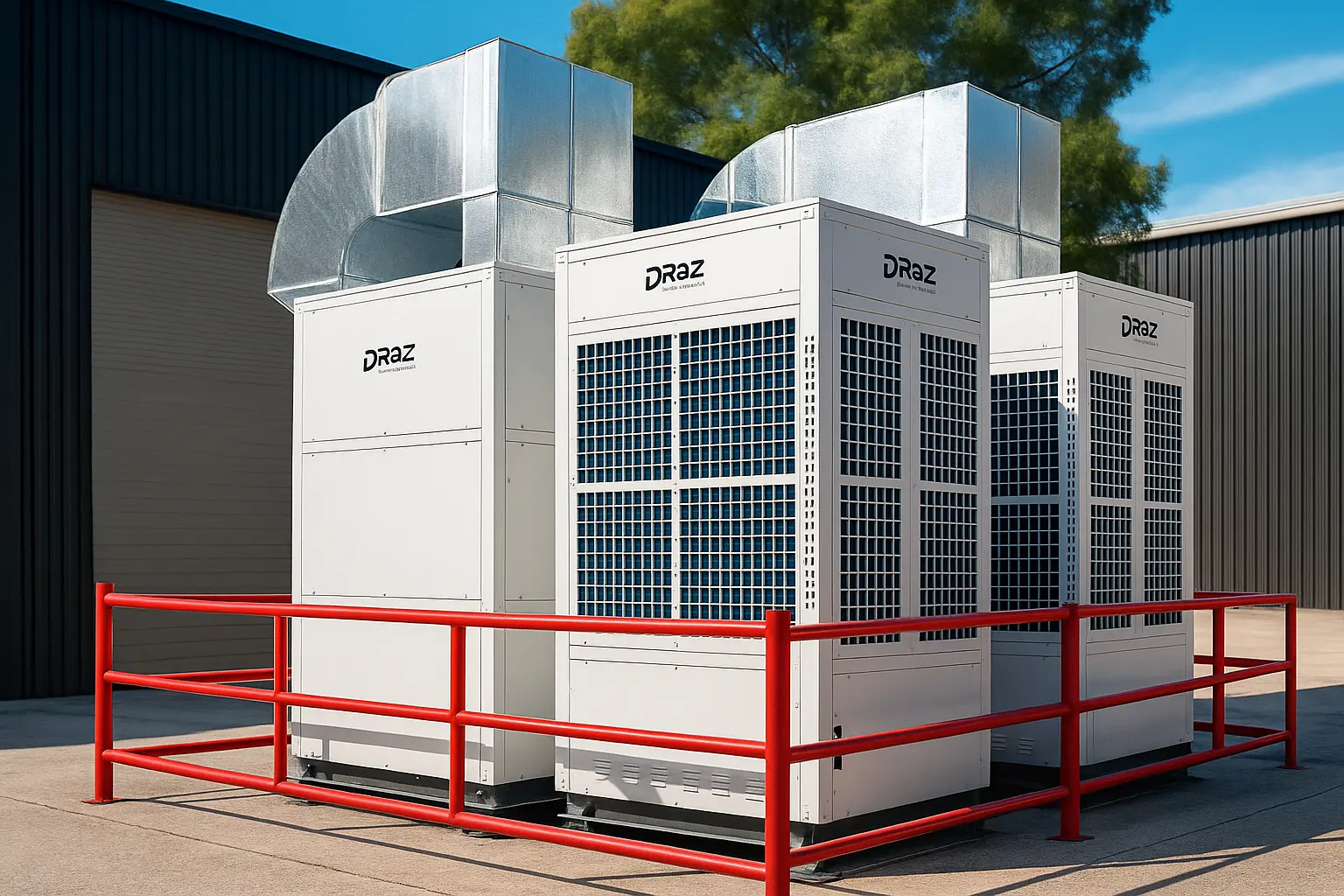
Designed for large factories and warehouses, these units provide high-capacity cooling (20–50 tons). They are often integrated with ducting systems to distribute air efficiently across multiple zones.
b. Portable Air Conditioners
Ideal for temporary setups or areas with changing configurations. DrezAircon offers DCGN and DCTN series portable AC units, which provide 10–33kW (3–10 tons) cooling capacity and can be deployed quickly for temporary warehouse spaces or modular layouts.
c. Integrated HVAC Systems
Permanent solutions like DCG Series integrated tent air conditioners offer large-scale cooling with consistent temperature management and low operational noise, suitable for high-ceiling warehouses or combined industrial-event spaces.
d. Fresh Air Conditioning Systems
Units such as DCY Series ensure continuous supply of fresh air while cooling, improving air quality in warehouses storing sensitive products or chemicals.
4. Key Features to Look For
When selecting a factory air conditioner, consider:
- Cooling Capacity (Tons / BTU): Match the system to warehouse size and heat load.
- Energy Efficiency: Look for high SEER/EER ratings to reduce electricity bills. Industrial HVAC systems can save up to 20–30% energy with proper selection.
- Noise Levels: Low-noise units improve employee comfort and reduce distractions.
- Flexibility: Portable or modular units provide adaptability in dynamic warehouse layouts.
- Maintenance Requirements: Units with easy-access filters, durable components, and professional support reduce downtime.
5. Benefits of Energy-Efficient Industrial Cooling Solutions
- Reduced Operating Costs: Efficient units use less electricity and lower total cost of ownership.
- Improved Worker Productivity: Comfortable temperatures reduce fatigue and errors.
- Equipment Protection: Proper cooling prevents overheating of machinery and storage systems.
- Environmental Compliance: Energy-efficient systems reduce carbon footprint, which is important for industrial certifications.
- Extended System Lifespan: Regularly maintained, energy-efficient systems last longer, providing ROI over years.
6. Common Challenges and How to Overcome Them
- Hot Spots: High ceilings or dense shelving can create uneven temperature zones. Use ducting or multiple units to distribute air effectively.
- Humidity Control: Certain warehouses need dehumidifiers to protect inventory. Consider fresh air AC systems or integrated HVAC solutions.
- Temporary Structures: For modular or temporary warehouses, portable ACs like Drez DCGN Series can be quickly deployed.
7. Tips for Installation and Maintenance
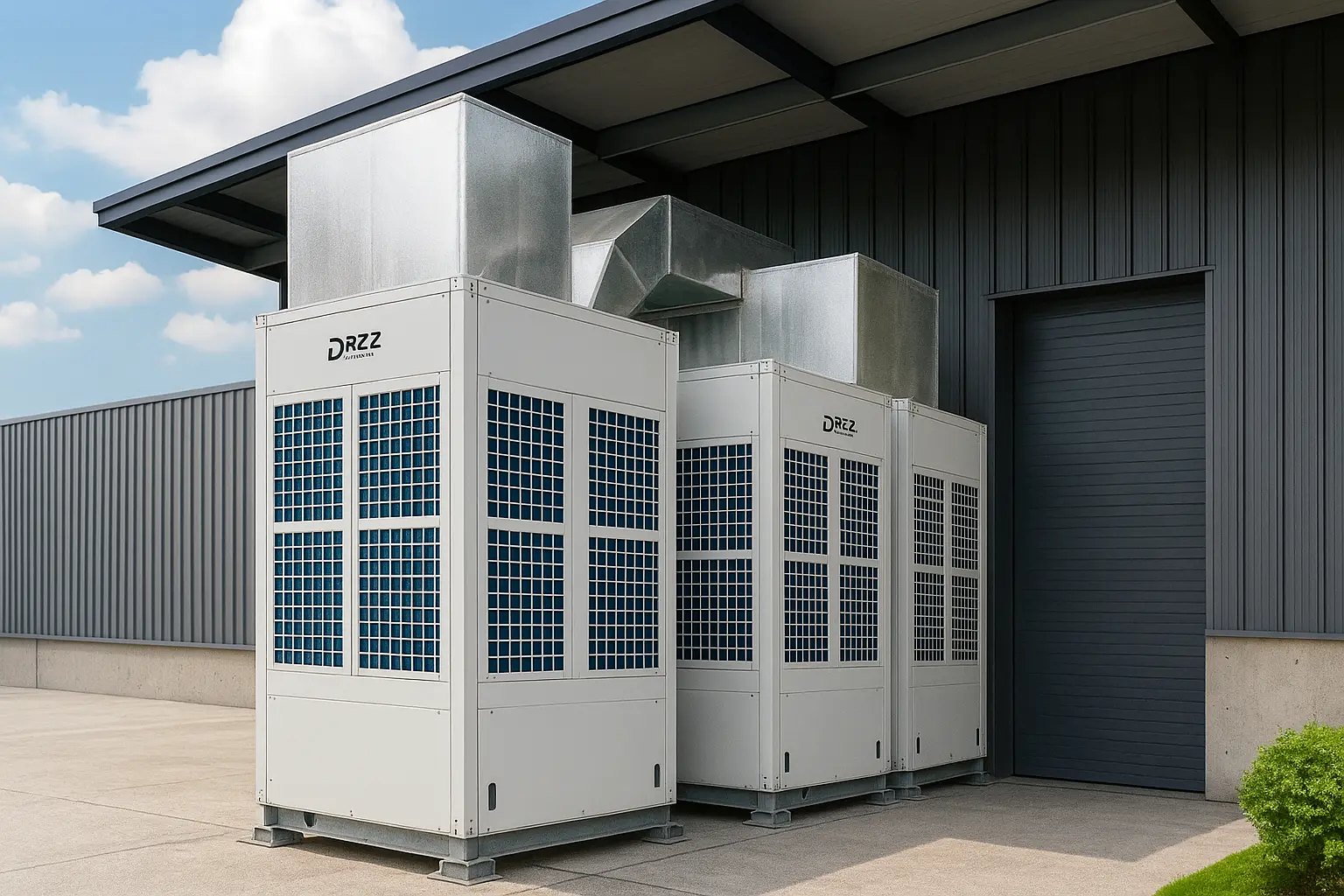
- Proper Placement: Avoid obstructed airflow and ensure vents cover all operational areas.
- Preventive Maintenance: Regular inspection of filters, coils, and fans prevents downtime. DrezAircon offers professional installation and maintenance services for industrial and warehouse ACs.
- Energy Optimization: Schedule operation times to match peak and off-peak hours; consider variable frequency drives (VFDs) for large units.
- Professional Support: Always work with certified technicians to ensure compliance with electrical and HVAC standards.
8. Case Study / Example
Warehouse Cooling for a 25,000 sqft Industrial Facility:
- Problem: Heat generated by machinery and hot climate caused uneven temperatures.
- Solution: Installation of Drez DCG Series integrated AC units providing 40 tons of cooling with fresh air supply.
- Result: Temperature stabilized at 22–24°C across the facility, energy consumption reduced by 18%, and machinery operated safely.
This demonstrates how properly sized, industrial-grade air conditioners significantly improve operational efficiency.
FAQS
1. What is the best type of air conditioner for a large warehouse?
The best AC for a warehouse depends on size, heat load, and layout. Industrial-grade units, integrated HVAC systems, or high-capacity portable air conditioners are ideal. They provide consistent cooling, energy efficiency, and durability required for large spaces.
2. How do I calculate the cooling capacity needed for my warehouse?
Cooling capacity is typically measured in tons or BTUs. Factors include warehouse area, ceiling height, insulation, machinery heat output, and occupancy. For example, a 20,000 sqft warehouse in a hot climate may require 50–100 tons of cooling. Consulting an industrial HVAC provider like DrezAircon ensures accurate sizing.
3. Can I use portable air conditioners in a warehouse?
Yes, portable industrial AC units are suitable for temporary setups, modular spaces, or areas with changing layouts. They offer flexibility and quick deployment but may need multiple units for larger warehouses.
4. How energy-efficient are factory air conditioners?
Modern industrial ACs are designed for energy efficiency with high SEER/EER ratings. Using energy-efficient units can reduce electricity costs by 20–30%, especially when combined with proper maintenance and zoning strategies.
5. What maintenance is required for warehouse AC systems?
Regular preventive maintenance is essential. This includes cleaning/replacing filters, inspecting coils and fans, checking refrigerant levels, and scheduling professional servicing. Proper maintenance ensures consistent performance and longer equipment lifespan.
6. How many AC units are needed for a large warehouse?
The number depends on warehouse size, layout, and heat sources. Large spaces often require multiple distributed units or a combination of integrated HVAC and portable systems to achieve uniform cooling.
7. Can warehouse AC systems handle high heat from machinery?
Yes. Industrial-grade ACs are designed to manage extra heat loads from machines, lighting, and solar gain, maintaining a stable environment for both workers and equipment.
8. What is the lifespan of a factory air conditioner?
With proper installation and preventive maintenance, industrial AC systems can last 10–15 years or more. Durability varies by brand, usage, and maintenance quality.
9. Are low-noise factory AC units available?
Yes. Many industrial units, including models from DrezAircon, are designed for low operational noise, ensuring worker comfort without sacrificing cooling performance.
10. Where can I buy reliable factory air conditioners for warehouses?
Reliable units can be purchased from trusted industrial HVAC providers like DrezAircon, which offers a range of portable, integrated, and fresh-air warehouse AC systems along with professional installation and maintenance support.
Conclusion: Making the Right Choice for Your Warehouse
Selecting the best factory air conditioner for a warehouse requires balancing cooling capacity, energy efficiency, noise, and maintenance considerations. Industrial-grade solutions like those offered by DrezAircon provide:
- High-capacity cooling for large warehouses
- Energy-efficient operation to reduce costs
- Flexible deployment options for permanent or temporary setups
- Professional installation and maintenance support
Where to Buy: DrezAircon provides a wide range of industrial and warehouse AC systems, including portable units, integrated HVAC solutions, and fresh air conditioning systems. Interested warehouse operators can visit HNBFpower.