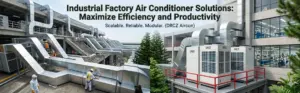
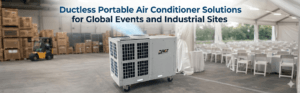
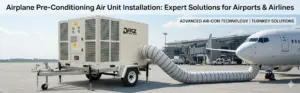
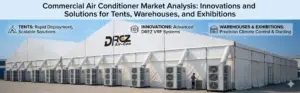
Commercial Air Conditioner Cleaning is a critical process for businesses and industrial facilities that rely on large-scale HVAC systems to maintain optimal indoor climates. Unlike residential air conditioning, commercial systems operate under heavy loads, covering expansive areas such as factories, warehouses, office buildings, and temporary event structures like tents.
Over time, dust, debris, mold, and other contaminants accumulate within filters, coils, and ductwork, reducing airflow, lowering cooling efficiency, and increasing energy consumption. Neglecting regular cleaning not only compromises performance but also poses safety and health risks to employees, visitors, and event attendees.
Professional cleaning ensures that commercial air conditioners run efficiently, extend their operational lifespan, and maintain air quality standards. For industrial setups, proper maintenance can prevent costly breakdowns, minimize downtime, and optimize energy usage, resulting in tangible operational savings.
In the context of event or tent air conditioning systems, consistent cleaning is particularly crucial, as temporary installations are more prone to environmental contaminants such as dust, pollen, and moisture.
By understanding the importance of cleaning schedules, maintenance procedures, and the benefits of professional services, businesses can safeguard their investment and ensure consistent performance.
Commercial Air Conditioner Cleaning: Boost Efficiency, Safety, and Performance
Maintaining the efficiency, safety, and performance of commercial air conditioning systems is critical for businesses operating in industrial, event, and large-scale environments. A well-cleaned and maintained air conditioning system not only ensures optimal performance but also improves energy efficiency, reduces operational costs, and enhances indoor air quality. For organizations managing industrial facilities, event tents, and large commercial spaces, proper air conditioner cleaning is a necessary investment.
This article explores the importance of commercial air conditioner cleaning, provides a step-by-step guide, highlights benefits, and outlines best practices to ensure long-term performance.
1. Introduction
Commercial air conditioning systems are significantly different from residential units. They are larger, designed to cool extensive areas, and often handle high volumes of air. These systems include industrial HVAC units, portable tent air conditioners, and large-scale cooling systems deployed in factories, warehouses, and outdoor events.
Neglecting maintenance and cleaning can lead to reduced cooling efficiency, higher energy costs, potential health risks, and even system failure. Regular commercial air conditioner cleaning addresses these challenges, ensuring that systems operate safely and efficiently.
2. Why Cleaning Commercial Air Conditioners Matters
2.1 Impact on Energy Efficiency
A dirty air conditioner has to work harder to maintain desired temperatures. Dust accumulation on coils, filters, and ducts can reduce energy efficiency by up to 30%, according to a study by the U.S. Department of Energy. For industrial facilities or large event spaces, this translates into significant electricity cost increases.
Regular cleaning reduces energy consumption and lowers operational costs while extending the system’s operational life.
2.2 Health and Safety Considerations
Commercial AC systems circulate large volumes of air. Accumulated dust, mold, and bacteria can affect indoor air quality, causing respiratory issues, allergies, or illness among employees or event attendees. For example, a case study from a warehouse facility in Dubai revealed that regular AC coil cleaning reduced airborne particulates by 40%, improving worker health and productivity.
2.3 Preventing Costly Breakdowns and Repairs
Neglected AC systems are prone to mechanical failures. Dust and debris can clog condensers, reduce refrigerant efficiency, and stress compressors. Routine commercial air conditioner cleaning prevents unexpected breakdowns and avoids costly downtime, especially critical for event setups and industrial operations.
3. Common Challenges in Commercial AC Maintenance
Maintaining commercial air conditioners comes with unique challenges:
- Dust, Debris, and Mold Buildup: Industrial environments generate dust, which settles on filters and coils. Event tents exposed to outdoor conditions accumulate dirt and pollen, reducing efficiency.
- Hard-to-Reach Components: Large AC units, rooftop systems, and tent ACs often have components that are difficult to access, making cleaning labor-intensive.
- Portable AC Maintenance: Mobile or tent air conditioners used for temporary events require specialized cleaning procedures to ensure consistent performance.
- Seasonal Usage: AC units used seasonally for events or outdoor exhibitions may remain idle for months, leading to accumulated dirt and mechanical issues.
Understanding these challenges is essential for designing a cleaning and maintenance schedule that minimizes downtime and maximizes efficiency.
4. Step-by-Step Guide to Commercial Air Conditioner Cleaning
Proper cleaning of commercial AC systems involves multiple steps. While some tasks can be performed in-house, professional cleaning is recommended for large industrial or tent systems.
4.1 Inspection and Preparation
- Turn off the AC system and disconnect power.
- Inspect the unit for visible dirt, debris, mold, and mechanical wear.
- Identify components requiring professional attention, such as compressors or refrigerant lines.
4.2 Cleaning Filters, Coils, and Ducts
- Filters: Remove and clean or replace all filters. Dirty filters reduce airflow and strain the system.
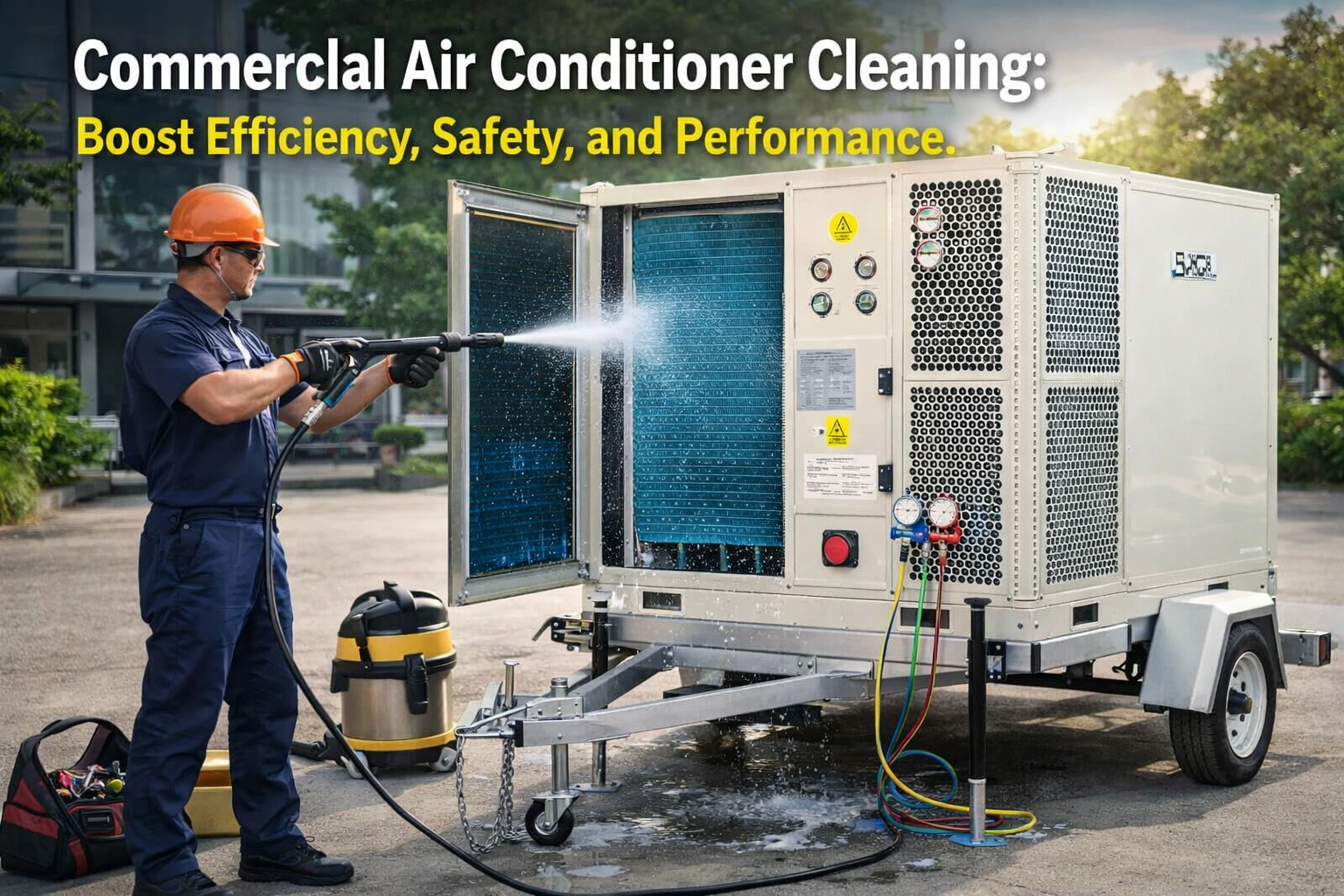
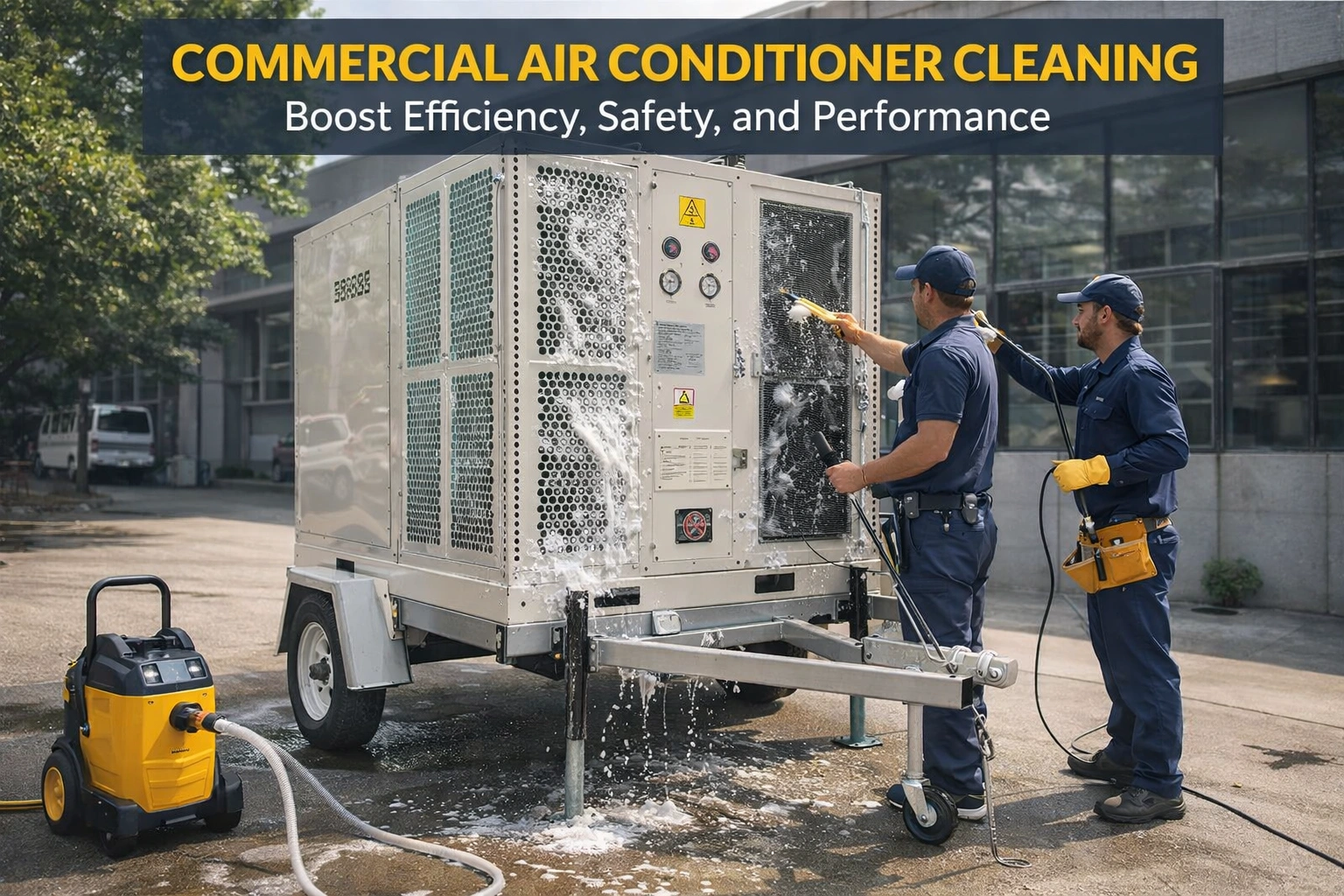
- Coils: Condenser and evaporator coils should be cleaned using specialized solutions or pressure washing methods to remove dirt buildup.
- Ducts: Inspect air ducts for dust, debris, and microbial growth. Duct cleaning improves air quality and system efficiency.
4.3 Sanitization and Safety Measures
- Apply antimicrobial treatments to prevent mold and bacterial growth.
- Ensure proper drainage of condensate lines to prevent water accumulation.
- Verify refrigerant levels and inspect for leaks.
4.4 Professional vs. DIY Cleaning
- DIY cleaning may suffice for small portable units but is not recommended for industrial or tent HVAC systems.
- Professional services, like those offered by Drez Aircon, ensure that large-scale systems are cleaned safely, efficiently, and without damage to components.
5. Benefits of Regular Commercial AC Cleaning
5.1 Enhanced Cooling Performance
Clean systems operate at full capacity, maintaining consistent temperatures across large areas. For example, an industrial warehouse in Singapore reported a 25% improvement in cooling efficiency after professional AC coil and duct cleaning.
5.2 Reduced Energy Consumption
Clean coils and filters reduce energy demands. Businesses can save up to 15-20% on electricity bills, according to industry reports, by implementing regular commercial AC cleaning schedules.
5.3 Prolonged System Lifespan
Routine maintenance minimizes wear on compressors, fans, and refrigerant systems, extending the life of the unit by several years and delaying the need for expensive replacements.
5.4 Improved Indoor Air Quality
By removing dust, mold, and allergens, cleaned AC systems improve air quality for employees, tenants, or event attendees, contributing to safer and healthier environments.
6. Special Considerations for Industrial and Event HVAC Systems
6.1 Cleaning Portable Tent AC Units
- Temporary tents and outdoor events require specialized cleaning due to exposure to dust, pollen, and weather conditions.
- Regular filter replacement and coil cleaning ensure cooling efficiency throughout the event.
6.2 Large-Scale Industrial AC Systems
- Industrial AC units often serve warehouses, factories, and production floors. Cleaning schedules must consider system size, airflow volume, and operational hours.
- Case study: A logistics warehouse in Germany implemented quarterly AC cleaning and reduced equipment downtime by 30%, demonstrating tangible cost benefits.
6.3 Seasonal Maintenance for Event Setups
- AC units used for seasonal exhibitions or festivals should be inspected and cleaned before deployment.
- This reduces the risk of breakdowns and ensures smooth operation during high-demand periods.
7. Choosing a Professional AC Cleaning Service
7.1 Key Features to Look For
- Experience with industrial and commercial AC systems
- Expertise in tent and portable HVAC units
- Use of professional cleaning equipment and safety protocols
- Ability to offer maintenance schedules and emergency services
7.2 Why Drez Aircon is Ideal
Drez Aircon provides full-service commercial HVAC cleaning and maintenance for industrial facilities, event tents, and portable cooling systems. Their team of experts ensures proper cleaning, system optimization, and preventive maintenance, reducing downtime and maximizing efficiency.
7.3 Case Examples
- Event HVAC Setup: Drez Aircon serviced a large outdoor exhibition in Dubai, cleaning multiple tent AC units. This improved system efficiency and reduced power consumption by 18%.
- Industrial Warehouse: Routine AC cleaning in a factory environment led to fewer system failures and consistent cooling performance over a 12-month period.
8. Maintenance Schedule & Best Practices
8.1 Recommended Cleaning Frequency
- Filters: Monthly or as recommended by the manufacturer
- Coils and condensers: Quarterly for industrial units, seasonally for event/tent ACs
- Ducts and vents: Every 6-12 months, depending on dust and debris levels
8.2 Preventive Maintenance Tips
- Regular inspections for dust, mold, and debris
- Check refrigerant levels and system pressure
- Ensure condensate drains are clear and unobstructed
- Schedule professional cleaning for large or complex systems
8.3 Checklist for Commercial AC Efficiency
- Inspect unit exterior for debris
- Clean or replace filters
- Clean coils and condensers
- Sanitize ducts and airflow pathways
- Test system performance and temperature control
- Schedule follow-up professional service
FAQs – Commercial Air Conditioner Cleaning
- What is commercial air conditioner cleaning, and why is it important?
Commercial air conditioner cleaning involves removing dust, debris, and microbial buildup from filters, coils, ducts, and condensers to maintain efficiency, safety, and performance. Regular cleaning prevents energy loss, system breakdowns, and improves indoor air quality. - How often should a commercial air conditioner be cleaned?
For most industrial or event HVAC systems, filters should be cleaned monthly, coils and condensers quarterly, and ducts every 6–12 months. Seasonal systems, like tent AC units, require cleaning before and after use. - Can I clean a commercial AC unit myself?
Small tasks like cleaning accessible filters are possible. However, professional cleaning is recommended for industrial, large-scale, or tent air conditioners due to complex components, high airflow volume, and safety considerations. - What are the benefits of regular commercial AC cleaning?
Regular cleaning improves cooling efficiency, reduces energy costs, prolongs system lifespan, enhances air quality, and minimizes the risk of unexpected breakdowns. - Does cleaning improve energy efficiency?
Yes. Dust and debris on coils and filters force the system to work harder, consuming more energy. Professional cleaning can reduce energy consumption by 15–20% in large commercial setups. - Are there health benefits to commercial AC cleaning?
Absolutely. Removing mold, bacteria, and dust reduces respiratory risks, allergies, and improves indoor air quality for employees, tenants, and event attendees. - What challenges exist in cleaning industrial or tent AC units?
Large units have hard-to-reach components, high airflow volumes, and seasonal or outdoor exposure. Portable tent AC systems are also prone to dust, pollen, and moisture buildup. - How long does a professional AC cleaning service take?
Depending on the system size and complexity, cleaning can take a few hours for a single portable unit to a full day for large industrial setups or multiple event tent ACs. - Can cleaning prevent costly AC repairs?
Yes. Regular maintenance prevents issues like compressor stress, clogged coils, and refrigerant inefficiency, significantly reducing repair costs and downtime. - Why should I choose a professional service like Drez Aircon for cleaning?
Drez Aircon specializes in industrial, event, and portable HVAC systems, offering expert cleaning, preventive maintenance, and tailored schedules to ensure peak performance, energy efficiency, and safety.
Summary
Regular commercial air conditioner cleaning is essential to maintain efficiency, safety, and performance. Clean systems consume less energy, provide better cooling, prevent costly breakdowns, and improve air quality. For industrial facilities, event tents, and large-scale HVAC applications, professional cleaning is a smart investment that ensures longevity and reliability.
By implementing structured cleaning schedules and leveraging professional services like Drez Aircon, businesses can optimize system performance, reduce operating costs, and provide a safe and comfortable environment for employees, tenants, or event attendees.
Call to Action:
For expert commercial AC cleaning, maintenance, and preventive services, contact Drez Aircon today to schedule your professional service and ensure your systems operate at peak performance.