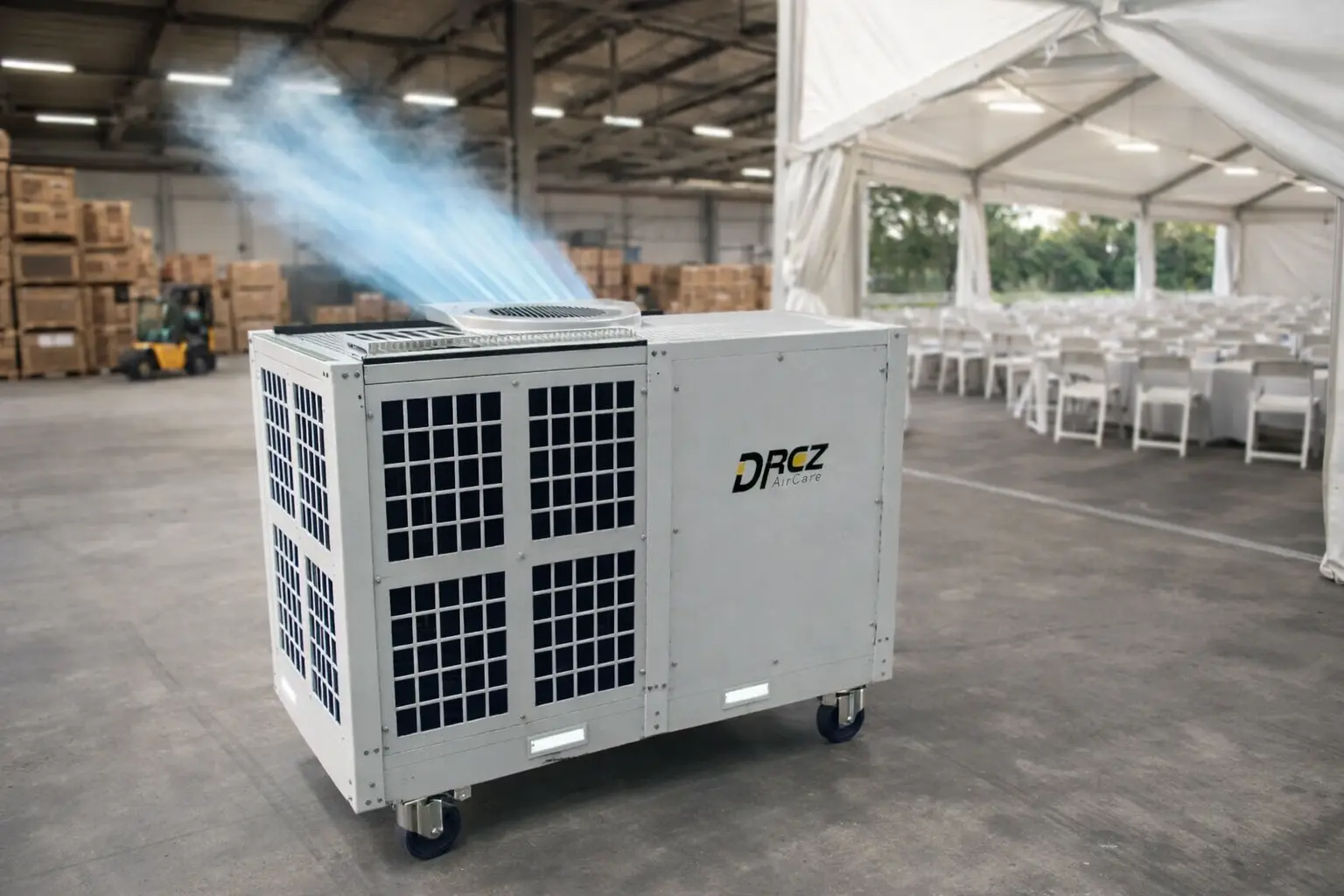
Commercial Portable Air Conditioner solutions have become a critical part of modern industrial and event cooling systems. Unlike traditional stationary HVAC units, commercial portable ACs offer flexibility, rapid deployment, and the ability to cool large spaces efficiently, making them ideal for warehouses, factories, and temporary structures like event tents.
These units are designed to handle high-capacity cooling requirements, manage fluctuating occupancy levels, and maintain consistent temperature and humidity, ensuring the safety of stored goods, the comfort of employees, or the satisfaction of event attendees. In industrial settings, improperly sized cooling systems can lead to equipment overheating, decreased productivity, and higher energy costs. Similarly, in outdoor event tents, insufficient cooling can compromise attendee experience and operational efficiency.
Commercial portable air conditioners are available in various types, including trailer-mounted units, ducted and non-ducted systems, and specialized tent ACs, allowing businesses to select a solution that fits their unique environment. By considering key factors such as BTU capacity, airflow, energy efficiency, and ease of installation, businesses can make informed decisions that optimize performance and cost-effectiveness.
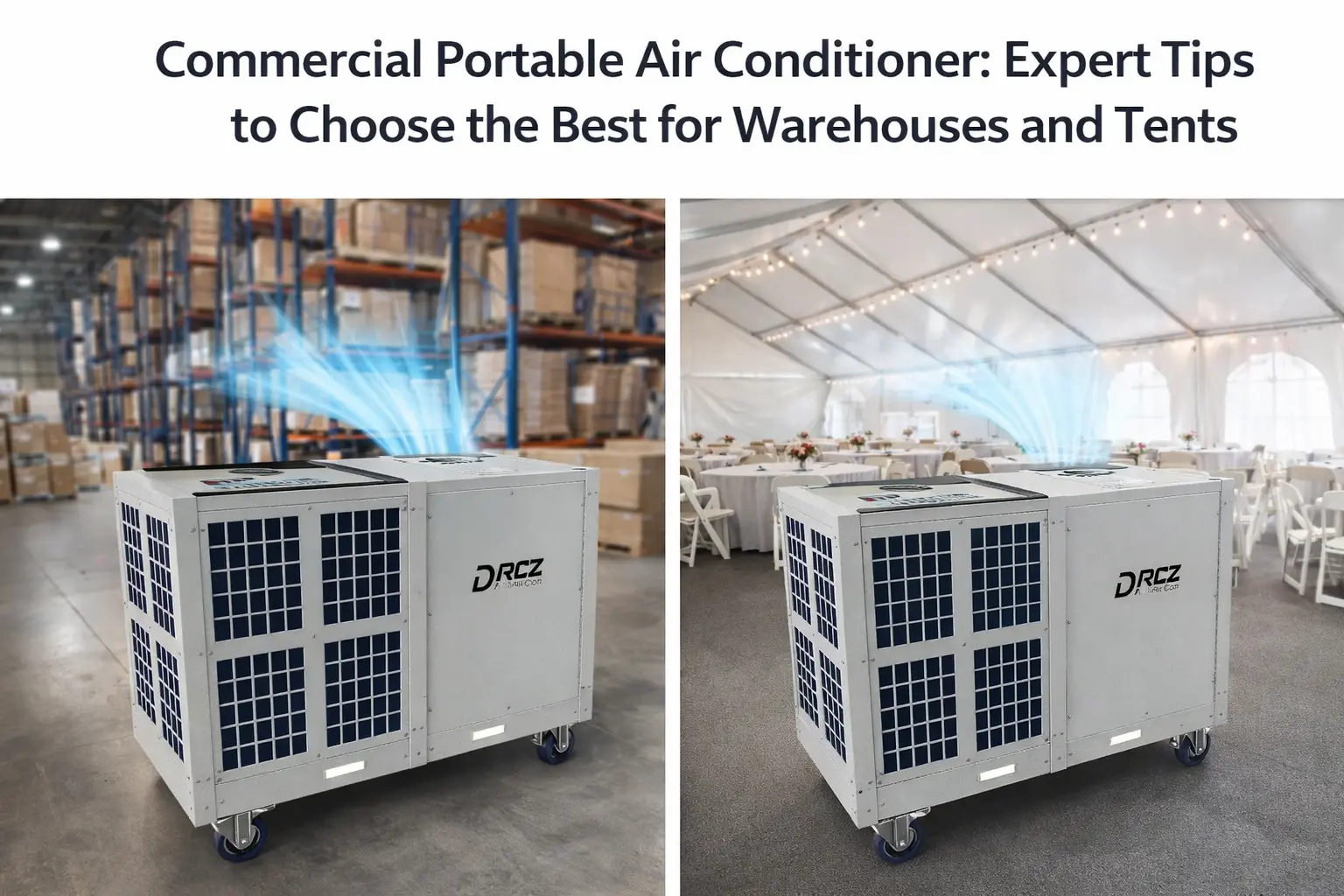
Commercial Portable Air Conditioner: Expert Tips to Choose the Best for Warehouses and Tents
Commercial portable air conditioners have become an essential solution for warehouses, industrial facilities, and temporary structures such as event tents. Selecting the right system is crucial for maintaining optimal climate conditions, ensuring equipment safety, and providing comfort in large spaces. This guide provides expert tips for choosing the most suitable commercial portable AC unit, with insights based on real-world applications and technical considerations.
Why Choosing the Right Commercial Portable Air Conditioner Matters
Warehouses, factories, and large event tents present unique challenges for cooling. Unlike standard residential spaces, these areas often have high ceilings, open layouts, and fluctuating occupancy, which can significantly impact cooling efficiency.
A properly selected commercial portable AC system can:
- Maintain consistent temperature and humidity levels
- Prevent equipment overheating in industrial environments
- Enhance worker or guest comfort in warehouses or event tents
- Provide energy-efficient cooling for temporary or permanent setups
Studies from industry projects indicate that improperly sized AC units in warehouses can lead to temperature fluctuations up to 10°C, affecting both stored materials and operational efficiency. Similarly, in outdoor event tents, insufficient cooling can compromise attendee comfort and event success.
Understanding Commercial Portable Air Conditioners
Definition and Types
Commercial portable air conditioners are self-contained units designed for mobility and rapid deployment. They differ from fixed HVAC systems by allowing flexible placement and quick installation.
Common types include:
- Industrial Portable AC Units: High-capacity systems designed for warehouses, factories, and production areas.
- Trailer-Mounted AC Systems: Mobile units ideal for large outdoor events and temporary installations.
- Tent Air Conditioning Units: Specialized systems for exhibition halls, weddings, and large outdoor gatherings.
Ducted vs. Non-Ducted Units
- Ducted Units: Distribute cooled air through flexible ducts to multiple zones; ideal for large warehouses or segmented tent areas.
- Non-Ducted Units: Deliver direct airflow; suitable for smaller tents or single-zone cooling.
Technical Terms and Specifications
Understanding key specifications is critical for proper selection:
- BTU (British Thermal Unit): Indicates cooling capacity; higher BTU ratings are necessary for larger spaces.
- Refrigerant Type: Commonly R22 or R410a, with R410a being more energy-efficient and environmentally friendly.
- Airflow Capacity: Measured in CFM (Cubic Feet per Minute); ensures adequate circulation in high-volume areas.
Key Features to Look For
When selecting a commercial portable AC unit, consider the following features:
High-Capacity Cooling
- Necessary for warehouses exceeding 5,000 sq ft or tents hosting hundreds of attendees.
- High-capacity units can remove up to 120,000 BTU per hour, ensuring rapid temperature stabilization.
Energy Efficiency
- Look for units with high EER (Energy Efficiency Ratio) ratings.
- Example: In an industrial warehouse project in Dubai, switching to an energy-efficient portable AC reduced electricity consumption by 18% annually, while maintaining a stable 24°C temperature.
Mobility and Portability
- Units should have caster wheels, handles, and compact designs for easy relocation.
- Trailer-mounted or modular systems allow deployment across multiple sites, saving rental costs for event planners.
Ease of Installation and Maintenance
- Units with plug-and-play installation reduce setup time.
- Features such as removable filters and accessible panels simplify routine cleaning and maintenance.
Durability and Industrial-Grade Design
- Steel or corrosion-resistant exteriors protect against dust, moisture, and outdoor exposure.
- In a European warehouse project, portable AC units with reinforced housings operated continuously for over 18 months without major repairs.
Choosing the Right Size and Capacity
Calculating Cooling Requirements
- For warehouses: Multiply floor area by ceiling height to estimate cubic volume, then use BTU per cubic foot metrics.
- For tents: Include occupancy, lighting, and equipment heat loads.
Case Study: A 2000 sq ft wedding tent with 150 guests required a 40,000 BTU portable AC to maintain 22–24°C temperatures during peak afternoon heat.
Matching BTU Rating with Space Volume
- Underestimating BTU can lead to hot spots and uneven cooling.
- Overestimating can cause energy waste and humidity issues.
Multi-Zone Cooling Considerations
- Large warehouses or segmented tents may need multiple units or ducted distribution for balanced airflow.
- DrezAircon’s modular solutions allow quick integration of multiple units for zoned temperature control.
Use Cases and Applications
Warehouse Portable AC Solutions
- Maintain consistent temperatures for inventory protection and equipment longevity.
- Mobile units allow temporary deployment in seasonal areas or during HVAC system upgrades.
Event Tent and Outdoor Cooling Solutions
- High-capacity units can handle tents up to 10,000 sq ft efficiently.
- Ideal for weddings, exhibitions, and corporate events, where comfort impacts attendee experience.
Temporary vs. Permanent Installations
- Temporary: Quick setup and removal for seasonal or single-event requirements.
- Permanent: Long-term installation with ducted airflow and energy management systems.
Case Study: A DrezAircon solution for a Southeast Asian trade exhibition cooled a 10,000 sq ft tent with multiple zones, maintaining optimal 23°C conditions for 5 consecutive days.
Maintenance and Longevity Tips
Routine Cleaning and Filter Maintenance
- Check filters every 2–4 weeks in high-dust environments.
- Replace refrigerant or inspect compressor systems annually for optimal performance.
Troubleshooting Common Issues
- Uneven cooling: Check airflow and ensure unit capacity matches space.
- Excess humidity: Ensure condensate drainage is clear.
- High energy consumption: Inspect for clogged filters or overworked compressors.
Extending the Lifespan
- Use protective covers in outdoor setups.
- Schedule preventive maintenance before peak seasons.
- Rotate units in multi-unit setups to reduce wear.
Expert Recommendations from DrezAircon
DrezAircon provides high-quality commercial portable AC solutions tailored for warehouses and tents. Key advantages include:
- High-Capacity Units: Designed for large spaces, with BTU ranging from 18,000 to 120,000+.
- Energy Efficiency: Modern refrigerants and optimized airflow reduce energy costs by up to 20%.
- Mobility: Caster wheels, modular design, and trailer-mounted options ensure flexibility.
- Durability: Industrial-grade materials for long-term outdoor or indoor deployment.
- Custom Solutions: Tailored for temporary events, industrial warehouses, or mixed-use spaces.
DrezAircon’s portfolio includes:
- Tent Air Conditioners for weddings, festivals, and exhibitions
- Trailer-Mounted AC Systems for large outdoor events
- Warehouse Portable Units for industrial applications
Real-World Example: In a factory upgrade project, DrezAircon deployed six high-capacity portable AC units across different zones, reducing downtime due to overheating by 35%.
FAQs: Commercial Portable Air Conditioner
- What is a commercial portable air conditioner?
A commercial portable air conditioner is a self-contained cooling unit designed for industrial, warehouse, or large event spaces. Unlike stationary HVAC systems, these units can be easily moved and installed for temporary or permanent cooling solutions. - What are the main types of commercial portable AC units?
The main types include industrial portable AC units, trailer-mounted AC systems, and tent air conditioning units. They can be ducted or non-ducted depending on the airflow and cooling requirements. - How do I choose the right size commercial portable AC for my warehouse or tent?
Sizing depends on space volume, occupancy, heat load, and equipment generating heat. Calculating BTU requirements accurately ensures even cooling and energy efficiency. - What features should I look for in a high-capacity commercial portable air conditioner?
Key features include high BTU capacity, energy efficiency, mobility, ease of installation, durable construction, and compatibility with industrial or event applications. - Can commercial portable AC units handle large event tents?
Yes. High-capacity units, including trailer-mounted or modular systems, can effectively cool tents up to 10,000 sq ft or more, depending on occupancy and heat load. - Are these units energy-efficient?
Modern units use R410a refrigerant and optimized airflow systems, reducing energy consumption while maintaining consistent temperatures. Some energy-efficient units can reduce operational costs by up to 20%. - How portable are commercial AC units?
Many units feature caster wheels, handles, and modular designs for easy relocation. Trailer-mounted solutions offer mobility for large-scale or multi-site events. - What maintenance is required for commercial portable air conditioners?
Routine maintenance includes filter cleaning/replacement, checking condensate drainage, inspecting compressors, and preventive servicing to ensure longevity and performance. - Can multiple units be used for large spaces or multi-zone areas?
Yes. Using multiple units or ducted systems ensures even cooling across warehouses or segmented tents, allowing zoned temperature control. - Why choose DrezAircon for commercial portable air conditioning solutions?
DrezAircon provides high-capacity, energy-efficient, and durable units tailored for warehouses, tents, and industrial spaces, with custom solutions, expert guidance, and global service support.
Summary
Choosing the right commercial portable air conditioner requires careful consideration of capacity, efficiency, mobility, and application-specific needs. Warehouses and event tents present unique challenges that are best addressed with high-capacity, energy-efficient, and durable units.
By following the tips outlined above:
- Assess space and occupancy requirements accurately
- Focus on technical features like BTU, airflow, and refrigerant type
- Choose units with mobility and maintenance advantages
- Leverage expert solutions like DrezAircon’s commercial portable AC units
Prospective buyers can ensure reliable, cost-effective, and effective cooling solutions for industrial, commercial, and event applications.
CTA: Contact DrezAircon today for custom commercial portable air conditioner solutions tailored to your warehouse, event tent, or industrial project.