Military Air Conditioner Operation Manual is essential for anyone responsible for deploying and managing portable cooling systems in field environments where conditions are unpredictable and infrastructure is limited. Unlike standard air conditioning units, military-grade or field-deployable HVAC systems are engineered to operate in extreme temperatures, high-dust areas, and remote locations where reliability is critical.
These systems are widely used in military camps, emergency response setups, temporary shelters, field hospitals, and large outdoor operations where maintaining a controlled temperature directly impacts performance, safety, and equipment stability.
Understanding how to properly install, operate, and maintain these systems is not just a technical requirement it is a practical necessity to ensure consistent cooling output and avoid operational failures. From selecting the right setup location to managing airflow, power supply, and routine maintenance, every step plays a role in maximizing efficiency.
In real-world scenarios, improper handling can lead to reduced cooling capacity, increased energy consumption, and system breakdowns at critical moments.
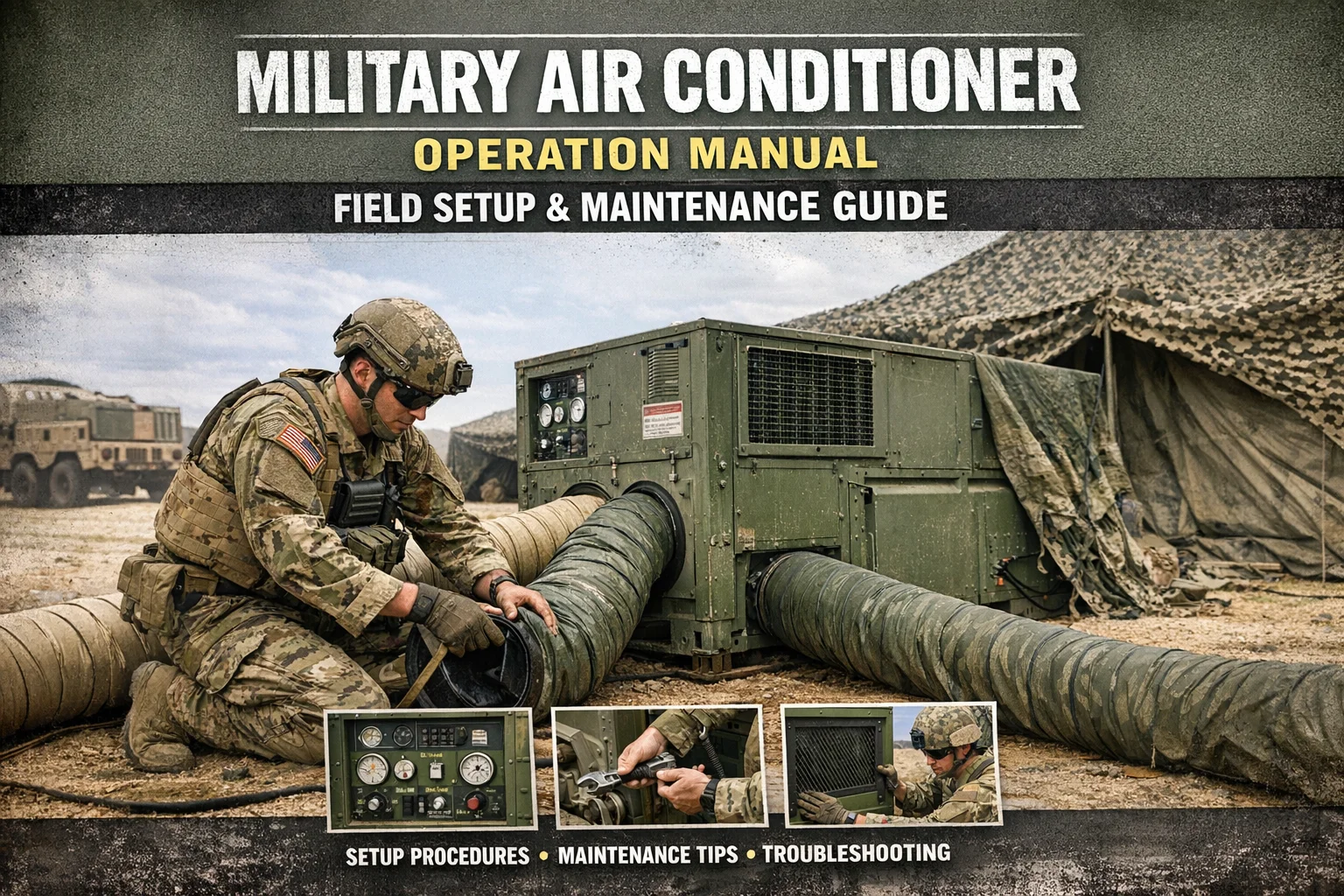
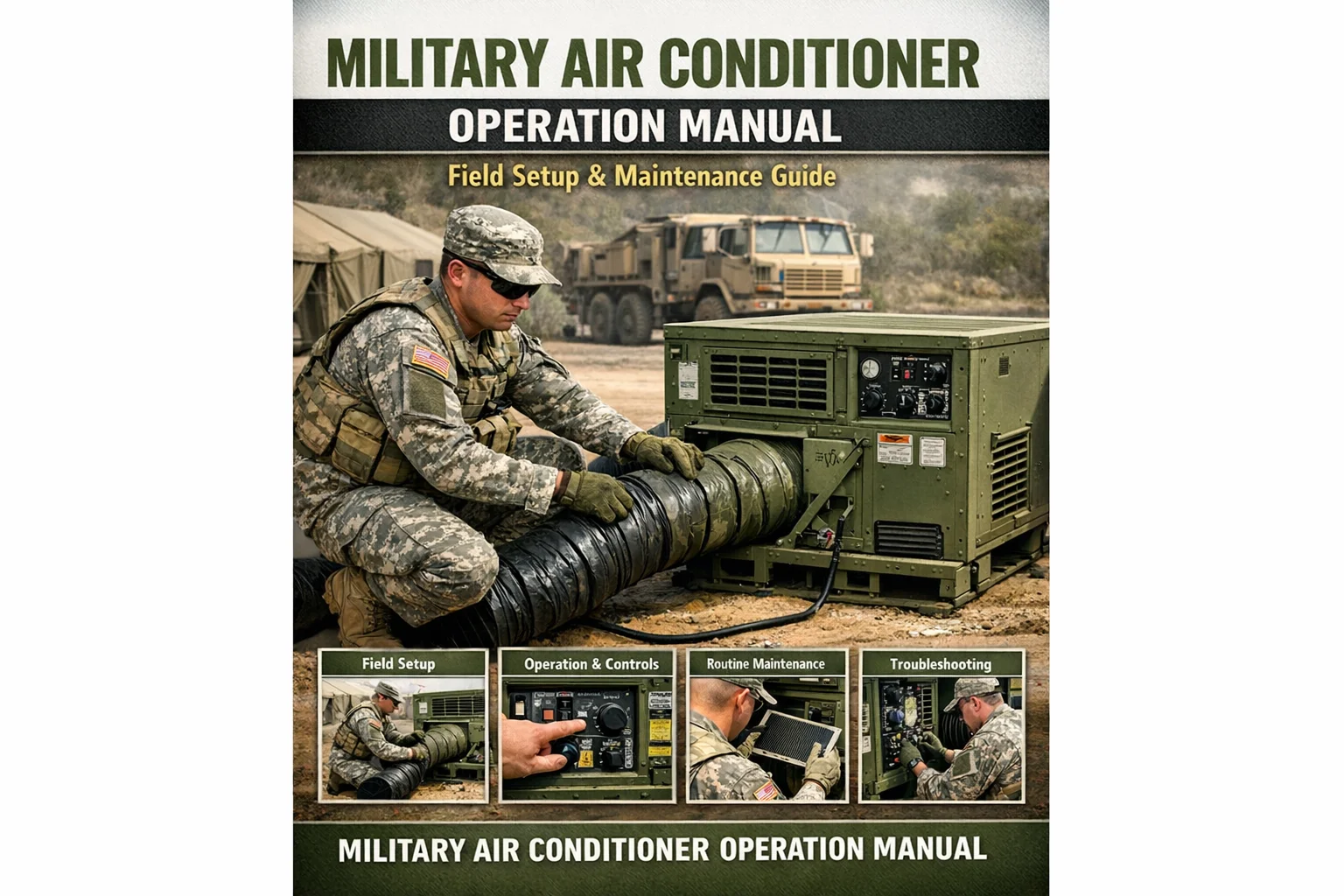
Military Air Conditioner Operation Manual: Field Setup & Maintenance Guide
In this guide, will explain how to set up, operate, maintain, and troubleshoot military air conditioning systems for reliable performance in field conditions.
1. Introduction to Military Air Conditioner Operation Manual
A military air conditioner is a portable HVAC system designed for field deployment where permanent cooling infrastructure is not available. These systems are widely used in:
- Military field camps and command tents
- Emergency response shelters
- Temporary medical facilities
- Outdoor industrial operations
- Disaster relief zones
Unlike standard commercial AC units, a military-grade air conditioner is built for:
- Rapid deployment
- High durability in extreme temperatures
- Continuous operation in outdoor environments
- Mobility and flexible installation
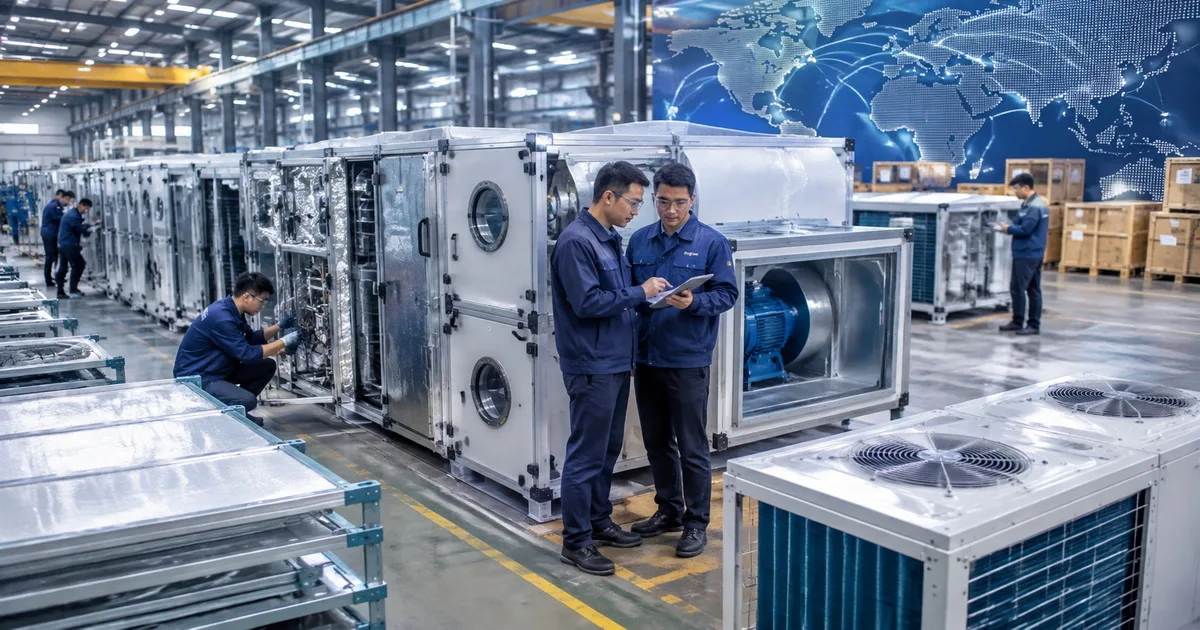
In industrial applications like those supported by Drez Aircon, these systems are part of broader temporary HVAC solutions designed for large-scale outdoor cooling requirements.
The purpose of this manual is to provide a step-by-step operational and maintenance framework so users can deploy and manage portable HVAC systems efficiently in field conditions.
2. How Military Air Conditioners Work in Field Conditions
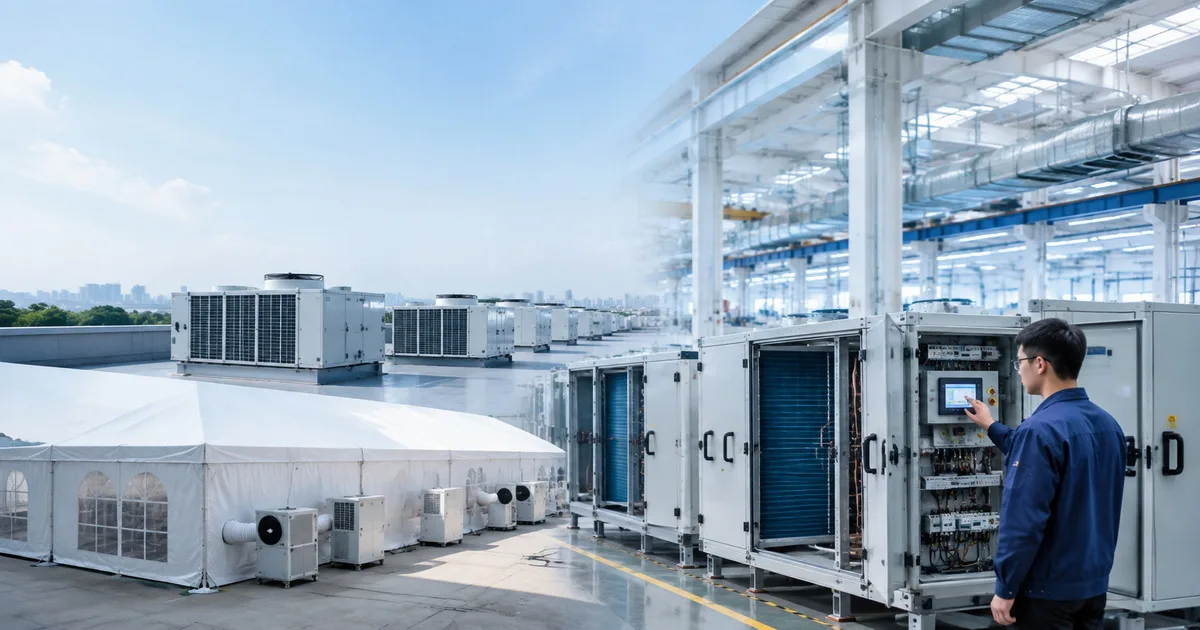
Military air conditioners operate on the same basic refrigeration cycle as standard AC systems, but they are engineered for mobility and environmental resilience.
Working Principle:
- Evaporation process absorbs heat from air
- Compressor system increases refrigerant pressure
- Condenser unit releases heat outside the system
- Air circulation system distributes cooled air into tents or shelters
Key Technical Components:
- High-capacity compressor (designed for continuous duty)
- Heavy-duty evaporator coil
- Reinforced ducting system
- Weather-resistant casing
- Portable power interface (generator-compatible)
Field Condition Adaptation:
- Works in high dust environments
- Operates under unstable power supply
- Handles extreme temperature variations (hot/cold climates)
- Designed for rapid relocation
3. Military Air Conditioner Field Setup Guide (Step-by-Step)
Proper installation directly impacts cooling efficiency and operational stability.
Step 1: Site Selection
- Choose flat and stable ground
- Avoid direct exposure to debris or wind blockage
- Ensure ventilation clearance around the unit
Step 2: System Placement
- Position outdoor condenser unit away from tent inlet
- Maintain airflow distance for heat dissipation
- Keep unit elevated if ground moisture is present
Step 3: Ducting Installation
- Connect insulated air ducts securely
- Avoid sharp bends in airflow paths
- Ensure no leakage in duct joints
Step 4: Power Connection
- Connect to generator or field power system
- Ensure voltage stability before startup
- Use grounded power cables for safety
Step 5: Pre-Operation Check
- Verify refrigerant pressure levels
- Check air filters for dust accumulation
- Ensure fan rotation is unobstructed
Proper setup reduces system load by up to 25–35% in field conditions.
4. How to Operate a Military Air Conditioner in Field Conditions
Operating a portable HVAC system in the field requires structured control.
Step-by-Step Operation Procedure:
1. System Start-Up
- Turn on power supply
- Allow compressor stabilization (2–3 minutes)
- Activate cooling mode
2. Temperature Control
- Set temperature between 20°C–26°C for optimal efficiency
- Avoid extreme low settings to reduce power load
3. Airflow Management
- Direct airflow toward occupancy zones
- Ensure uniform distribution inside tents or shelters
4. Continuous Operation Guidelines
- Recommended continuous runtime: 8–18 hours depending on load
- Allow short cooling breaks in extreme environments
- Monitor compressor load in real-time systems
Operational Insight:
Field tests in portable systems show that maintaining moderate temperature settings improves energy efficiency by up to 18% compared to maximum cooling mode.
5. Military Air Conditioner Maintenance Guide
Maintenance is critical for long-term performance in harsh environments.
Daily Maintenance Checklist:
- Clean air intake filters
- Inspect duct connections
- Check power cable insulation
- Monitor airflow output strength
Weekly Maintenance:
- Clean evaporator coil surface
- Inspect compressor vibration levels
- Remove dust from condenser unit
- Test thermostat accuracy
Preventive Maintenance:
- Replace filters after heavy dust exposure cycles
- Check refrigerant levels periodically
- Lubricate mechanical fan components if required
Industry Insight:
Portable HVAC systems used in desert or high-dust environments can lose 15–20% efficiency without routine filter cleaning.
6. Troubleshooting Common Issues in Military Air Conditioners
Problem 1: Weak Cooling Output
Possible causes:
- Dirty filters
- Low refrigerant levels
- Air leakage in duct system
Problem 2: System Overheating
Possible causes:
- Blocked condenser airflow
- Continuous overload operation
- High ambient temperature stress
Problem 3: Unstable Power Operation
Solutions:
- Use regulated generator output
- Check voltage stability
- Inspect electrical connectors
Problem 4: Airflow Reduction
Solutions:
- Clean duct system
- Remove bends or blockages
- Replace damaged duct sections
7. Performance Optimization for Portable Military Cooling Systems
Efficient operation depends on system management, not just equipment capability.
Optimization Strategies:
1. Load Balancing
Distribute cooling evenly across all occupied zones.
2. Environmental Control
- Reduce heat entry points in tents
- Use reflective outer coverings
- Minimize door opening frequency
3. Energy Efficiency
- Avoid unnecessary temperature extremes
- Use eco-mode if available
- Match generator capacity with AC load
4. Airflow Engineering
- Maintain straight duct paths
- Reduce air resistance inside ducts
- Optimize inlet/outlet positioning
8. Applications of Military Air Conditioning Systems
Military air conditioners are used across multiple operational environments:
Defense Applications:
- Field camps
- Command centers
- Mobile barracks
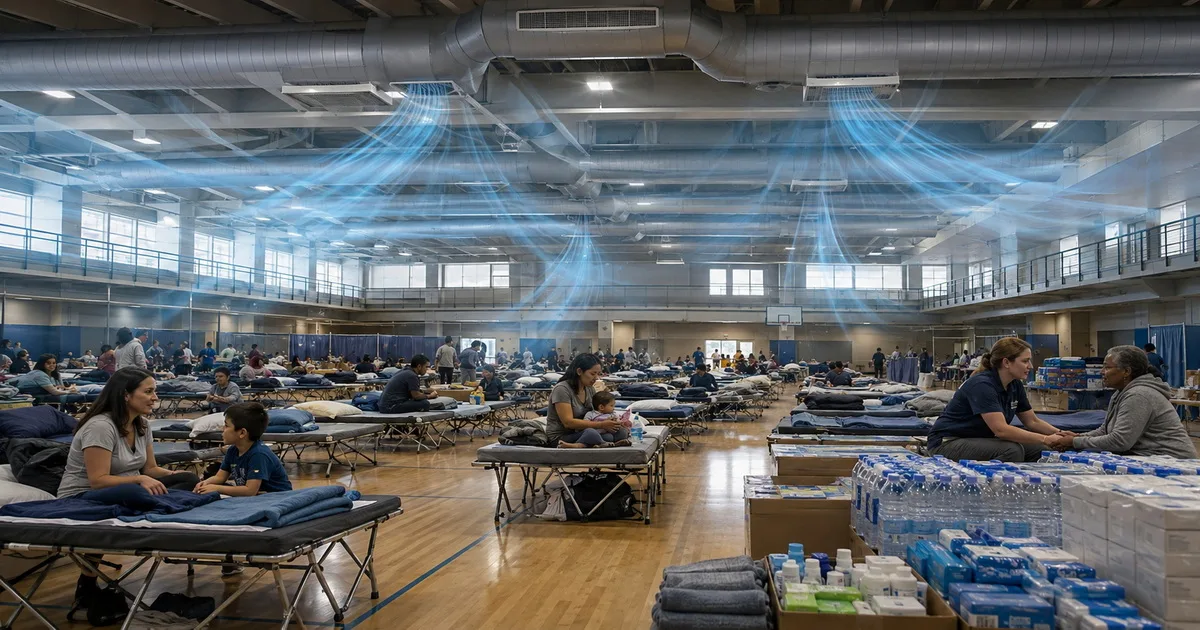
Emergency Applications:
- Disaster relief shelters
- Temporary hospitals
- Evacuation centers
Industrial Applications:
- Outdoor construction sites
- Remote mining operations
- Temporary industrial zones
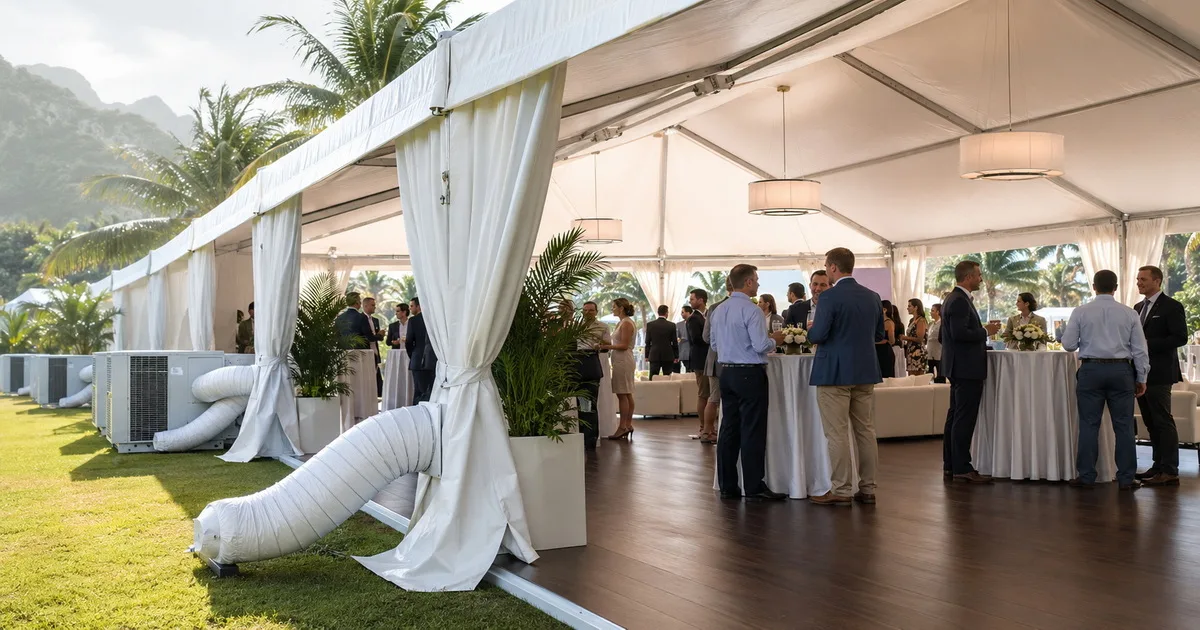
Event-Based Applications:
- Large outdoor exhibitions
- Temporary festival infrastructure
- Wedding tent cooling systems
Companies like Drez Aircon specialize in designing portable HVAC systems that support these diverse applications through modular cooling solutions.
9. Safety Guidelines for Field Air Conditioner Operation
Safety is a critical factor in portable HVAC deployment.
Electrical Safety:
- Always ground the system properly
- Avoid wet surface installations
- Use certified connectors
Operational Safety:
- Do not block airflow vents
- Avoid overloading system capacity
- Monitor compressor temperature
Environmental Safety:
- Ensure proper heat discharge direction
- Avoid installation near flammable materials
- Maintain clearance zones around equipment
FAQs: Military Air Conditioner Operation Manual
Q1: How do you set up a portable military air conditioner in the field?
Place the unit on stable ground, connect ducting properly, and ensure regulated power supply before operation.
Q2: What is the best maintenance practice for field HVAC systems?
Regular filter cleaning, duct inspection, and refrigerant monitoring ensure stable performance.
Q3: How long can a military air conditioner run continuously?
Typically 8–18 hours depending on environmental load and system capacity.
Q4: What are common issues in portable field cooling systems?
Weak airflow, overheating, duct leakage, and power instability are most common.
Final take :
A military air conditioner is not just a cooling device it is a mission-critical field infrastructure system designed for mobility, reliability, and performance under extreme conditions.
Proper understanding of:
- Field setup procedures
- Operational control
- Maintenance cycles
- Troubleshooting methods
ensures maximum efficiency and system lifespan.
With industrial expertise from providers like Drez Aircon, portable HVAC systems can be optimized for defense, emergency, and large-scale outdoor applications where stable cooling is essential for operational success.