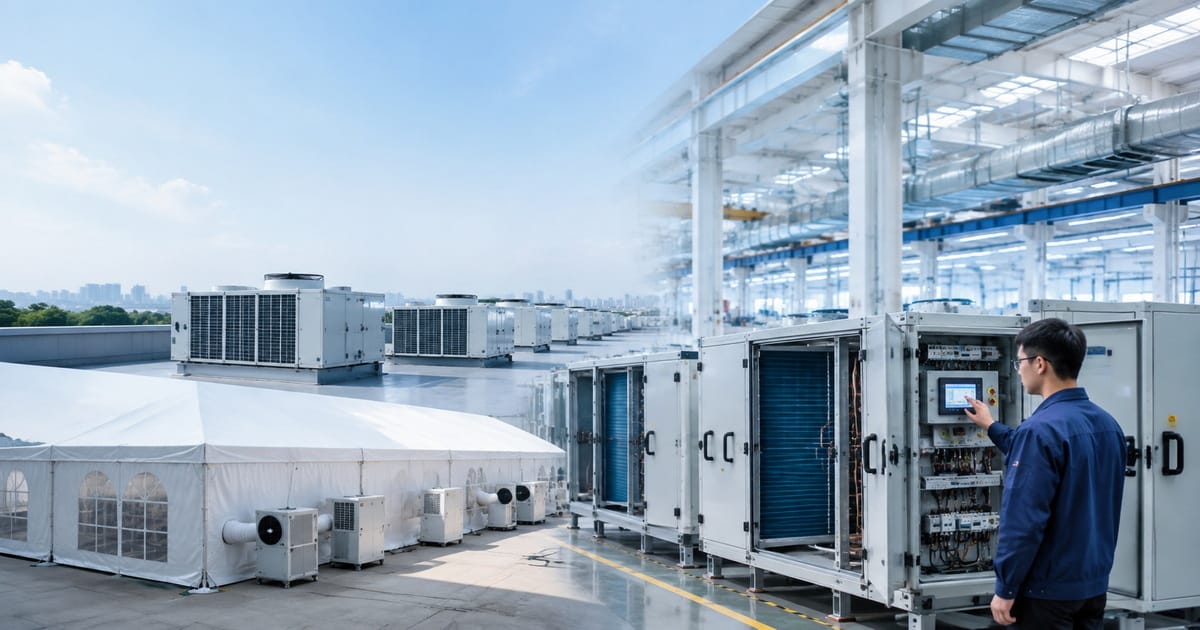
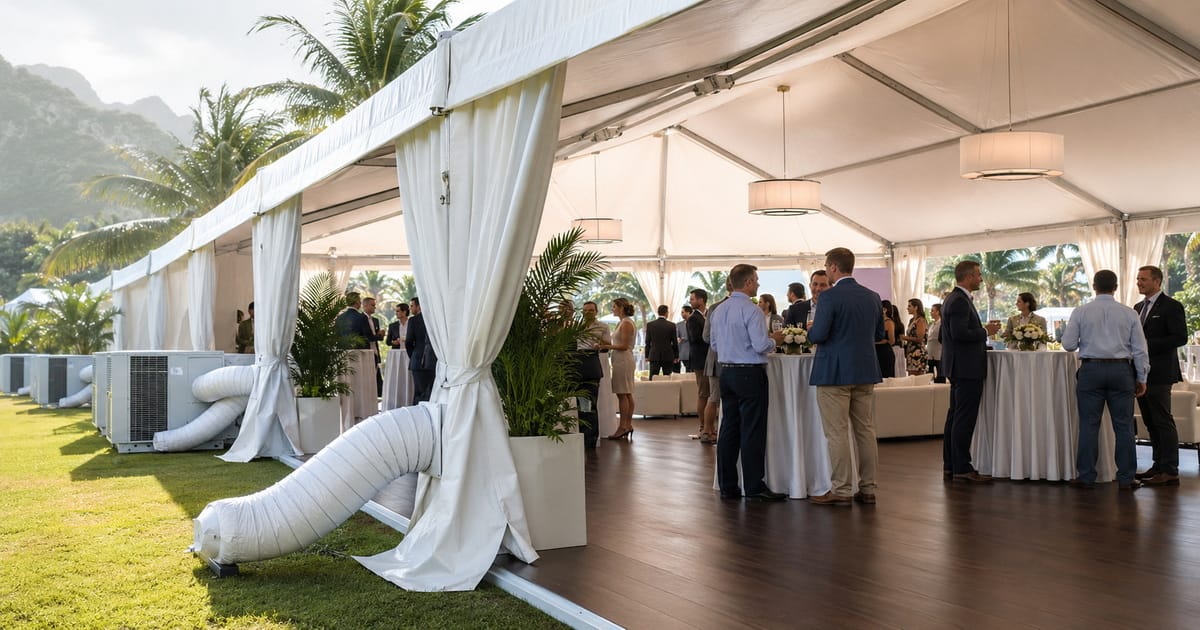
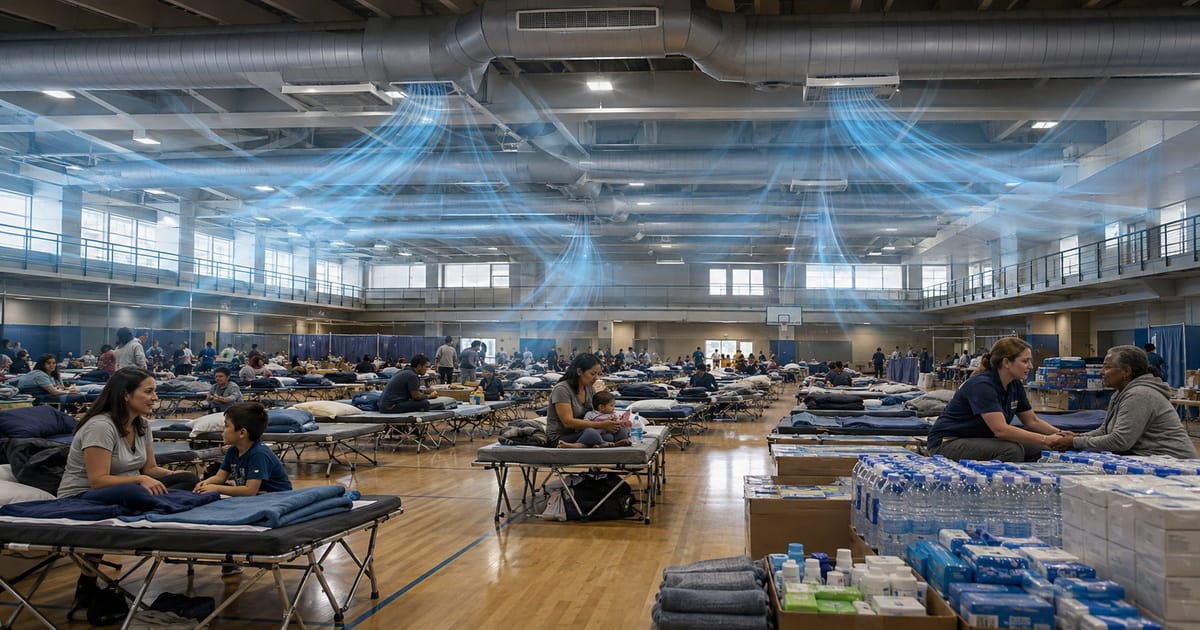
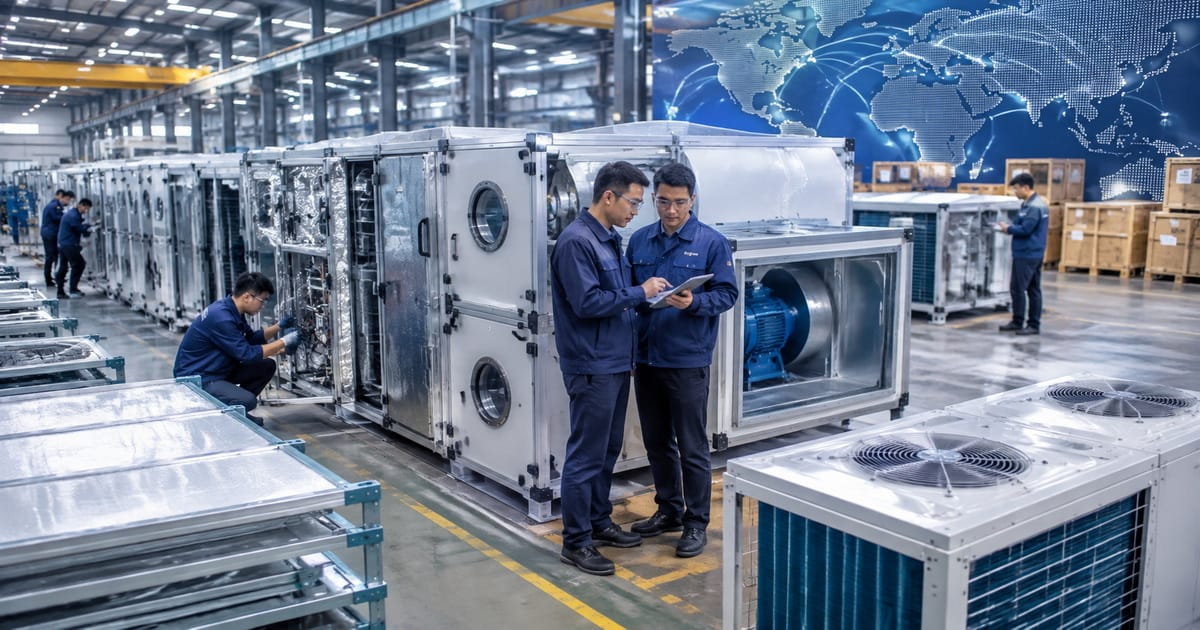
Military Air Conditioner Specifications and Cooling Capacity play a critical role in maintaining operational readiness, personnel comfort, and equipment protection during field deployments. Whether supporting military tents, mobile command centers, field hospitals, emergency response facilities, or temporary camps, an air conditioning system must deliver reliable cooling performance under challenging environmental conditions.
Unlike conventional commercial HVAC units, military-grade air conditioners are designed to operate in extreme temperatures, dusty environments, high-humidity regions, and remote locations where utility power may not be available.
Selecting the right military air conditioner involves much more than choosing a unit based on size alone. Decision-makers must evaluate cooling capacity, airflow performance, operating temperature range, generator compatibility, energy efficiency, deployment speed, and maintenance requirements. An undersized system can struggle to maintain target temperatures, while an oversized system may increase fuel consumption and operating costs. Proper capacity planning is therefore essential for ensuring efficient climate control and mission success.
As military operations continue to rely on advanced electronics, communication equipment, medical devices, and temporary infrastructure, the demand for dependable field HVAC solutions continues to grow. Understanding system specifications helps procurement teams, engineers, and field planners make informed decisions that support both operational effectiveness and long-term reliability.
Military Air Conditioner Specifications and Cooling Capacity Guide for Field Operations
Maintaining safe and controlled temperatures in military environments is essential for mission readiness, equipment protection, and personnel comfort. Whether supporting a field hospital, mobile command center, tactical shelter, or temporary military camp, selecting the right military air conditioner requires a detailed understanding of system specifications and cooling capacity.
Unlike standard commercial HVAC systems, military air conditioning units must operate in demanding environments where high temperatures, dust, humidity, transportation constraints, and limited power resources create unique challenges. A system that performs well in a conventional building may fail to deliver reliable cooling in a field operation.
This guide explains the most important military air conditioner specifications, cooling capacity requirements, environmental considerations, and deployment factors to help planners, engineers, and procurement teams make informed decisions.
Understanding Military Air Conditioner Specifications for Field Operations
Military HVAC systems are designed to deliver reliable climate control in environments where operational continuity is critical.
Field operations often occur in remote regions where temperatures exceed 45°C (113°F), humidity fluctuates dramatically, and power availability is limited. Under these conditions, cooling systems must provide stable performance while remaining portable, durable, and easy to maintain.
Why Military HVAC Systems Require Specialized Specifications
Military-grade air conditioning systems differ from standard portable air conditioners because they are designed for:
- Rapid deployment
- Extreme weather operation
- Continuous-duty performance
- Generator-powered operation
- High equipment heat loads
- Transportation across rough terrain
These requirements influence every aspect of system design, from cooling capacity and airflow performance to filtration and structural durability.
Key Performance Requirements in Tactical and Remote Environments
Effective military air conditioning systems typically prioritize:
- Consistent cooling output
- High airflow efficiency
- Rugged construction
- Dust-resistant operation
- Generator compatibility
- Fast installation and relocation
These performance characteristics help maintain operational efficiency in mission-critical environments.
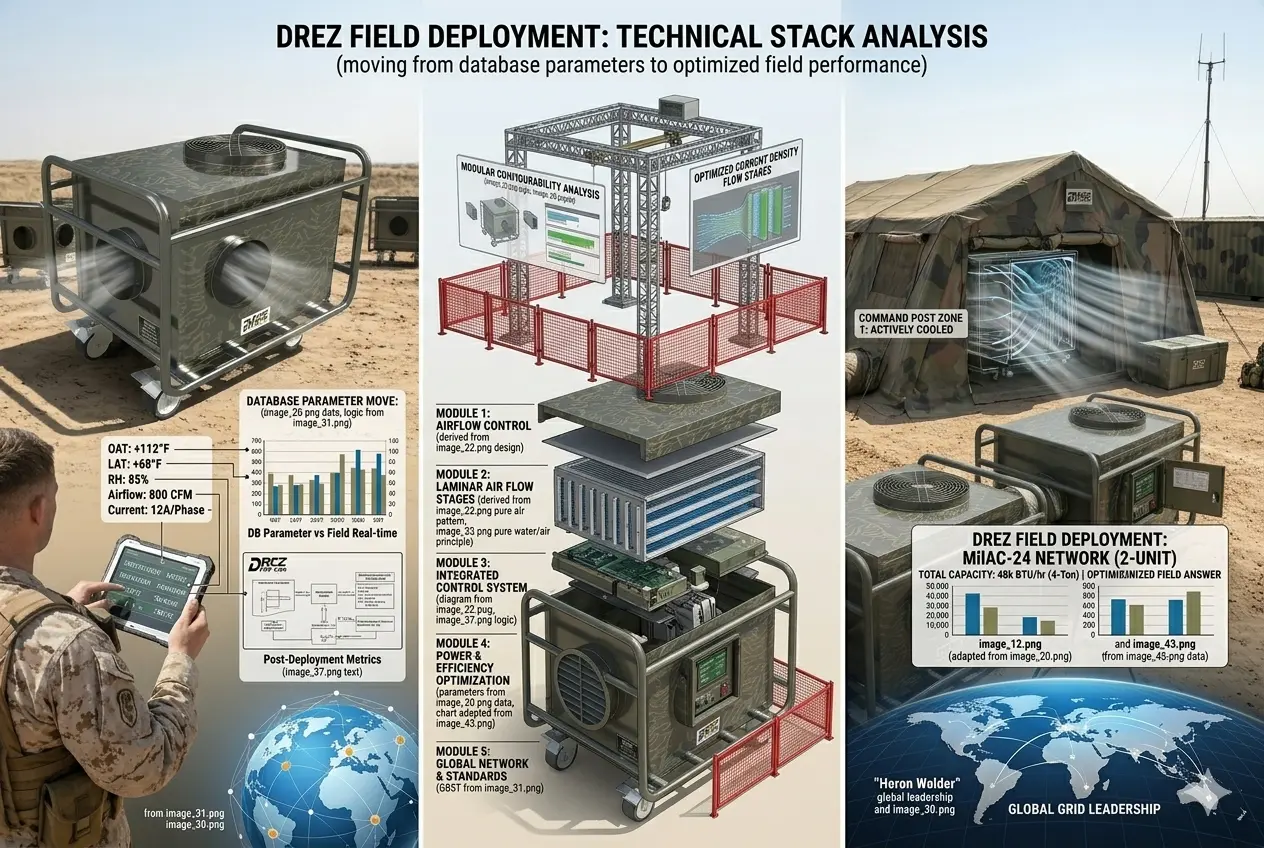
Core Military Air Conditioner Specifications to Evaluate
Selecting a military air conditioner involves evaluating multiple technical parameters rather than focusing solely on cooling capacity.
Cooling Capacity (BTU and Tonnage Ratings)
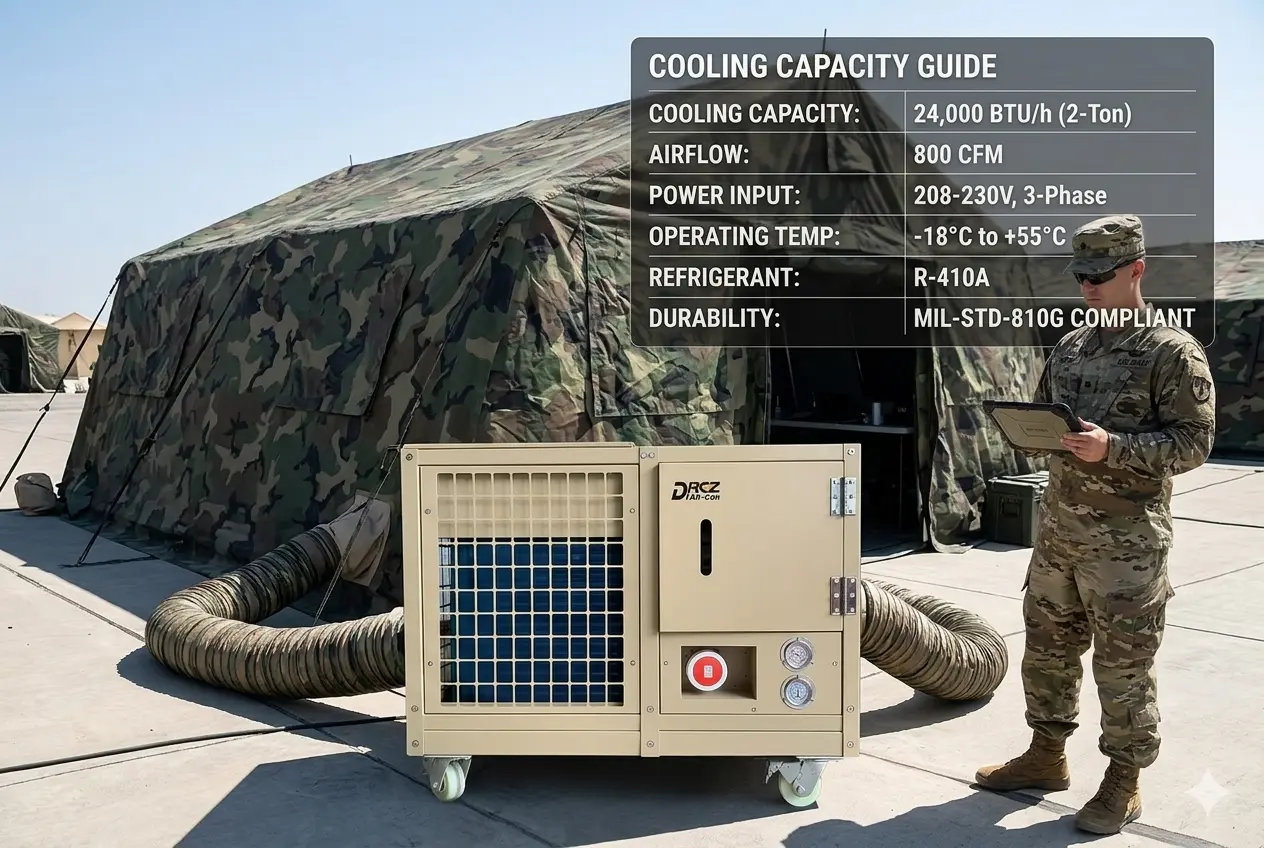
Cooling capacity is the amount of heat a system can remove from a space within a specific period.
Capacity is commonly expressed as:
- BTU/hr (British Thermal Units per Hour)
- Tons of refrigeration
Typical conversion:
- 12,000 BTU/hr = 1 Ton
- 60,000 BTU/hr = 5 Tons
- 120,000 BTU/hr = 10 Tons
- 240,000 BTU/hr = 20 Tons
Larger military tents, command centers, and field hospitals often require systems ranging from 5 to 30 tons depending on occupancy and environmental conditions.
Airflow Performance and CFM Requirements
Airflow is measured in Cubic Feet per Minute (CFM).
Adequate airflow ensures:
- Uniform temperature distribution
- Effective humidity control
- Proper ventilation
Insufficient airflow can create hot spots within shelters and operational facilities.
Operating Temperature Range for Extreme Conditions
Military air conditioners must perform reliably in environments where ambient temperatures can exceed conventional HVAC design limits.
Typical operating ranges include:
- High-temperature desert environments
- Tropical climates
- Cold-weather deployments
Systems should be evaluated based on manufacturer-tested performance data rather than nominal cooling ratings alone.
Power Supply and Generator Compatibility
Most field operations depend on generators rather than utility power.
Important specifications include:
- Voltage requirements
- Frequency compatibility
- Startup current demand
- Running power consumption
Generator-compatible HVAC systems help simplify deployment planning and reduce operational risks.
Mobility, Deployment, and Transport Features
Military deployments require HVAC systems that can be rapidly transported and installed.
Important mobility features include:
- Trailer-mounted configurations
- Forklift pockets
- Lifting points
- Compact footprints
- Quick-connect duct systems
These features reduce setup times and improve operational flexibility.
How Cooling Capacity Is Determined for Military Air Conditioners
Proper cooling capacity selection is one of the most important decisions during HVAC planning.
Oversized systems increase fuel consumption and operating costs, while undersized systems may fail to maintain target temperatures.
Factors Affecting Cooling Load in Field Operations
Several factors influence cooling demand:
- Ambient temperature
- Solar heat gain
- Shelter size
- Internal equipment loads
- Occupancy levels
- Ventilation requirements
Each variable contributes to the total heat load that must be removed.
Heat Load Challenges in Military Tents and Temporary Structures
Military tents often experience greater heat gain than permanent buildings because:
- Fabric materials absorb solar radiation
- Insulation levels vary
- Frequent entry and exit increase infiltration
As a result, tent cooling loads are often higher than expected.
Occupancy, Equipment, and Environmental Considerations
Personnel and equipment generate significant heat.
Examples include:
- Communication equipment
- Servers
- Medical devices
- Lighting systems
- Power distribution equipment
A command center containing electronic systems may require substantially higher cooling capacity than a similarly sized personnel shelter.
Choosing the Correct Capacity for Mission-Critical Applications
Cooling capacity should be determined through a structured load assessment.
Key considerations include:
- Shelter dimensions
- Occupancy levels
- Equipment heat output
- Local climate conditions
- Mission duration
Accurate sizing improves efficiency and operational reliability.
Military Air Conditioner Capacity Requirements by Field Application
Different field operations require different HVAC capacities.
Air Conditioning Systems for Military Tents
Military tents are among the most common applications.
Cooling requirements depend on:
- Tent size
- Occupancy density
- Climate conditions
Medium-sized tactical tents often require capacities between 5 and 15 tons.
Cooling Solutions for Mobile Command Centers
Command centers contain sensitive electronics that generate continuous heat.
Cooling systems must provide:
- Stable temperatures
- Continuous operation
- Redundant cooling capability
System reliability is often more important than peak capacity alone.
HVAC Requirements for Field Hospitals
Field hospitals require strict environmental control.
Cooling systems help maintain:
- Patient comfort
- Medical equipment performance
- Medication storage conditions
Redundancy and precise temperature control are critical requirements.
Climate Control for Temporary Military Camps
Temporary camps support large numbers of personnel.
Cooling requirements may involve:
- Sleeping quarters
- Dining facilities
- Administrative areas
- Communication centers
These environments often require multiple distributed HVAC systems.
Cooling Systems for Disaster Relief and Emergency Operations
Military-grade HVAC units are frequently used during disaster response missions.
Applications include:
- Emergency shelters
- Medical facilities
- Humanitarian aid centers
Portable systems support rapid deployment and immediate operational readiness.
Environmental Challenges That Impact Military HVAC Performance
Field environments create challenges that directly affect HVAC performance.
Desert Heat and High Ambient Temperatures
Desert operations expose systems to:
- Extreme solar radiation
- High daytime temperatures
- Elevated equipment temperatures
Systems must maintain cooling capacity even under severe environmental stress.
Humidity Control in Tropical Deployments
Humidity affects both comfort and equipment reliability.
Proper dehumidification helps:
- Prevent condensation
- Protect electronics
- Improve indoor comfort
Humidity control should be considered alongside cooling capacity.
Dust, Sand, and Air Filtration Requirements
Dust infiltration can reduce efficiency and increase maintenance needs.
Military HVAC systems often incorporate:
- Multi-stage filtration
- Heavy-duty air filters
- Serviceable filtration systems
Effective filtration supports long-term reliability.
Reliable Operation in Harsh Outdoor Conditions
Field systems must tolerate:
- Transportation vibration
- Rain exposure
- Wind-driven dust
- Continuous operation
Durability is a key specification when evaluating military air conditioners.
Energy Efficiency and Power Management in Military Air Conditioning Systems
Power availability is often limited during field deployments.
Fuel Consumption and Generator Load Considerations
HVAC systems can represent one of the largest power consumers in a field operation.
Efficient systems help reduce:
- Fuel usage
- Generator loading
- Operating expenses
This is particularly important during long-term deployments.
Energy-Efficient Cooling Technologies
Modern military HVAC systems may incorporate:
- High-efficiency compressors
- Variable-speed fans
- Advanced control systems
- Improved heat exchanger designs
These technologies improve operational efficiency.
Balancing Performance and Operational Costs
Decision-makers should evaluate:
- Initial equipment cost
- Fuel consumption
- Maintenance requirements
- Expected operating hours
Lifecycle cost often provides a better measure of value than purchase price alone.
Military Air Conditioner Design Features for Rapid Deployment
Deployment speed can significantly impact mission success.
Portable and Trailer-Mounted Air Conditioning Systems
Portable HVAC units offer:
- Mobility
- Flexible installation
- Fast deployment
Trailer-mounted systems provide additional capacity while maintaining transportability.
Companies such as Drezaircon supply portable and temporary HVAC solutions designed for large-scale tents, shelters, and remote operational environments where rapid cooling deployment is essential.
Rugged Construction for Field Use
Military air conditioners typically feature:
- Reinforced frames
- Corrosion-resistant materials
- Weather-resistant enclosures
These features improve durability during transportation and field use.
Fast Setup and Mobility Advantages
Rapid deployment features may include:
- Quick-connect ducts
- Plug-and-play electrical connections
- Integrated mobility systems
These reduce installation time and manpower requirements.
Maintenance-Friendly System Design
Field maintenance capabilities improve system availability.
Important features include:
- Accessible service panels
- Replaceable filters
- Modular components
These design elements simplify repairs in remote locations.
Military Air Conditioner vs Standard Industrial Portable Air Conditioners
Many organizations compare military HVAC systems with conventional industrial units.
Key Differences in Specifications and Durability
Military systems typically emphasize:
- Ruggedness
- Environmental protection
- Transport readiness
Industrial systems often prioritize stationary operation.
Performance Comparison in Extreme Environments
Military-grade systems are designed to withstand:
- Severe heat
- Dust exposure
- Frequent relocation
These capabilities may exceed those of standard commercial equipment.
Which Solution Is Better for Field Operations?
The answer depends on deployment requirements.
Military operations generally benefit from systems designed specifically for:
- Tactical shelters
- Remote camps
- Mobile command facilities
- Emergency response operations
How to Select the Right Military Air Conditioner for Your Operational Requirements
Selecting the correct system requires a structured evaluation process.
Evaluating Site Conditions and Cooling Demands
Review:
- Climate conditions
- Shelter dimensions
- Occupancy levels
- Equipment heat loads
These variables determine capacity requirements.
Matching Capacity to Deployment Scenarios
Different applications require different cooling strategies.
Examples include:
- Field hospitals
- Command centers
- Tactical tents
- Disaster relief shelters
Capacity should align with operational objectives.
Important Specifications Buyers Should Review Before Procurement
Before procurement, verify:
- Cooling capacity
- Power requirements
- Airflow performance
- Operating temperature range
- Mobility features
- Maintenance requirements
- Generator compatibility
These specifications help ensure reliable field performance.
Future Trends in Military Air Conditioning and Field HVAC Technology
Military HVAC technology continues to evolve.
Smart Monitoring and Remote System Management
Advanced monitoring systems can provide:
- Performance tracking
- Predictive maintenance alerts
- Remote diagnostics
These features reduce downtime.
Advanced Energy-Efficient Cooling Solutions
Manufacturers continue developing technologies that reduce:
- Fuel consumption
- Power demand
- Operating costs
While maintaining cooling performance.
Next-Generation Tactical Climate Control Systems
Future systems are expected to focus on:
- Greater mobility
- Enhanced reliability
- Improved energy efficiency
- Integrated environmental monitoring
These innovations will support increasingly complex field operations.
FAQS About Military Air Conditioner Specifications and Cooling Capacity
What cooling capacity is required for a military tent air conditioner?
The required capacity depends on tent size, occupancy, climate conditions, and equipment heat loads. Many military tents use systems ranging from 5 to 20 tons.
How is military air conditioner capacity calculated?
Capacity is determined through heat load analysis that considers ambient temperature, shelter dimensions, personnel count, equipment heat generation, and ventilation requirements.
What temperature range can military HVAC systems operate in?
Military HVAC systems are designed for extreme environments and may operate in desert, tropical, and cold-weather conditions depending on system specifications.
Are military air conditioners compatible with portable generators?
Most field-deployed military air conditioners are designed for generator-powered operation, but voltage and power requirements should always be verified before deployment.
What features make a military-grade air conditioner different from a commercial unit?
Military-grade systems typically offer greater durability, environmental protection, mobility, and performance under harsh operating conditions.
How do field hospitals determine HVAC capacity requirements?
Field hospitals calculate cooling demand based on occupancy, medical equipment heat loads, environmental conditions, and required indoor temperature control standards.
Summary
Military air conditioner specifications and cooling capacity directly influence operational effectiveness in field environments. From military tents and command centers to field hospitals and disaster relief facilities, selecting the correct HVAC system requires careful evaluation of cooling loads, environmental challenges, airflow performance, power requirements, and deployment needs.
Organizations that prioritize proper system sizing, generator compatibility, durability, and energy efficiency are better positioned to maintain reliable climate control during critical operations. By understanding these specifications and capacity considerations, procurement teams and field planners can deploy HVAC systems that support mission success in demanding environments.