Content Menu
● What Is Mobile Air Conditioning in Large Outdoor Events?
>> Mobile Air Conditioning for Tents and Temporary Structures
>> Typical Use‑Cases for Mobile Air Conditioning
● What Is Trailer Air Conditioning?
>> Trailer Air Conditioning for Mobile Units and Fleets
>> Typical Use‑Cases for Trailer Air Conditioning
● Mobile vs Trailer Air Conditioning: Event Use‑Cases Compared
>> Where Each Solution Fits Best
● Capacity, Coverage, and Performance
>> Cooling Wide‑Open Tent Spaces
>> Cooling Compact but High‑Load Trailer Spaces
● Power, Installation, and On‑Site Logistics
>> Mobile Air Conditioning: Fast Deployment for Temporary Sites
>> Trailer Air Conditioning: Integrated Reliability
● Cost, Ownership, and Long‑Term Value
>> Mobile Air Conditioning for Event‑Based Budgets
>> Trailer Air Conditioning as a Fleet Investment
● Comfort, Noise, and User Experience
>> Guest‑Facing Spaces in Tents
>> Staff‑Focused Trailer Environments
● Practical Selection Steps for Event Organizers
>> Mapping Needs Before Choosing Systems
● How an Integrated Supplier Like DREZ Supports Event Climate Control
>> Tent‑Focused Mobile Air Conditioning Solutions
>> Trailer Air Conditioning for Manufacturers and Brands
● Summary and Strategic Perspective
● FAQs: Mobile Air Conditioning vs Trailer Air Conditioning
>> 1. Can one system replace the other for large outdoor events?
>> 2. How do I estimate cooling capacity for a large tent?
>> 3. Is trailer air conditioning necessary for small food trucks?
>> 4. What should manufacturers consider when integrating trailer AC at build stage?
>> 5. How can organizers coordinate tent and trailer climate control across an event site?
Mobile air conditioning and trailer air conditioning can both keep large outdoor events comfortable, but they serve very different roles in terms of coverage, mobility, and long‑term practicality.
Planning climate control for large outdoor events is no longer a matter of simply placing a few fans around a tent. Comfort directly influences visitor dwell time, spending behavior, and the overall impression guests take away from your brand or organization. When hundreds or thousands of people gather under fabric structures or in mobile units, cooling becomes a core piece of event infrastructure.
What Is Mobile Air Conditioning in Large Outdoor Events?
Mobile Air Conditioning for Tents and Temporary Structures
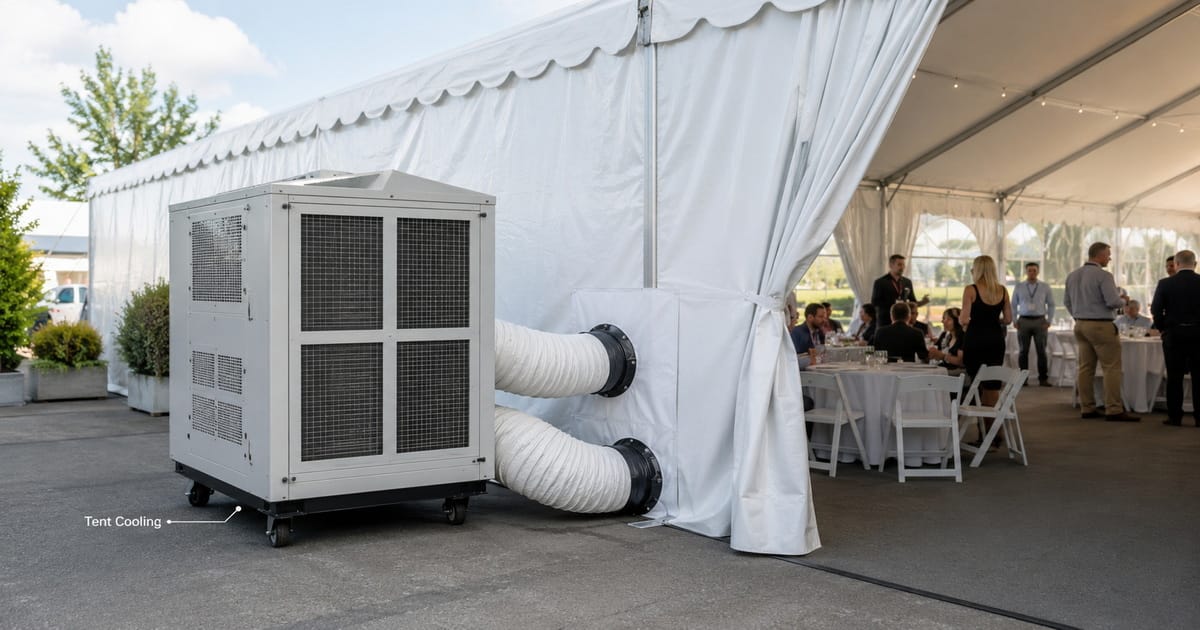
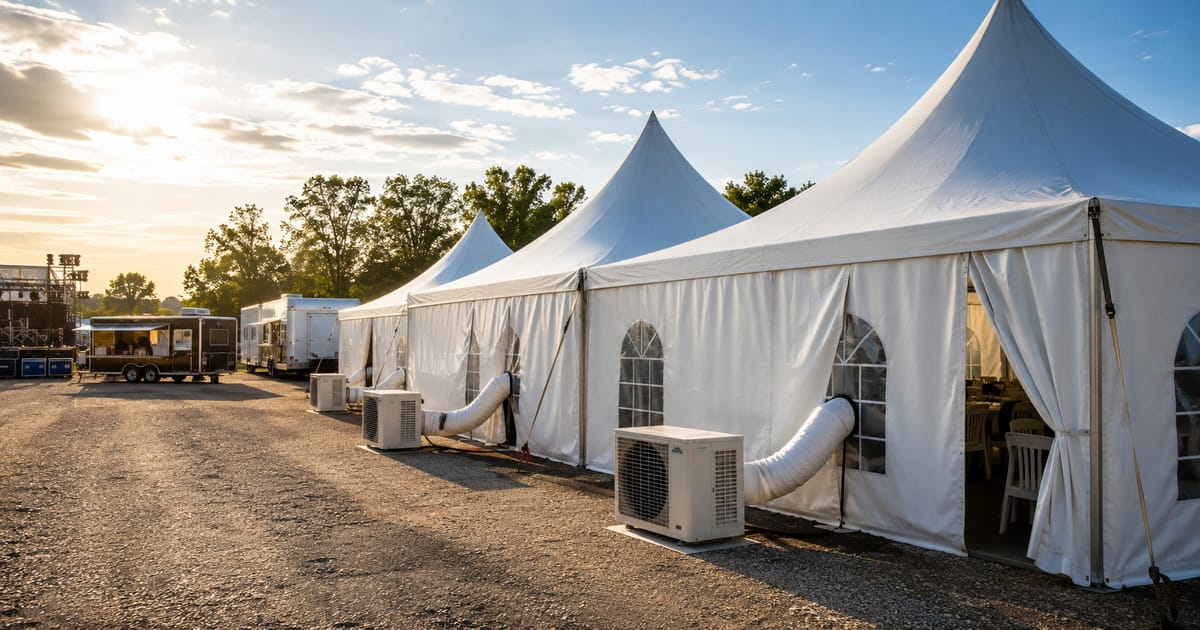
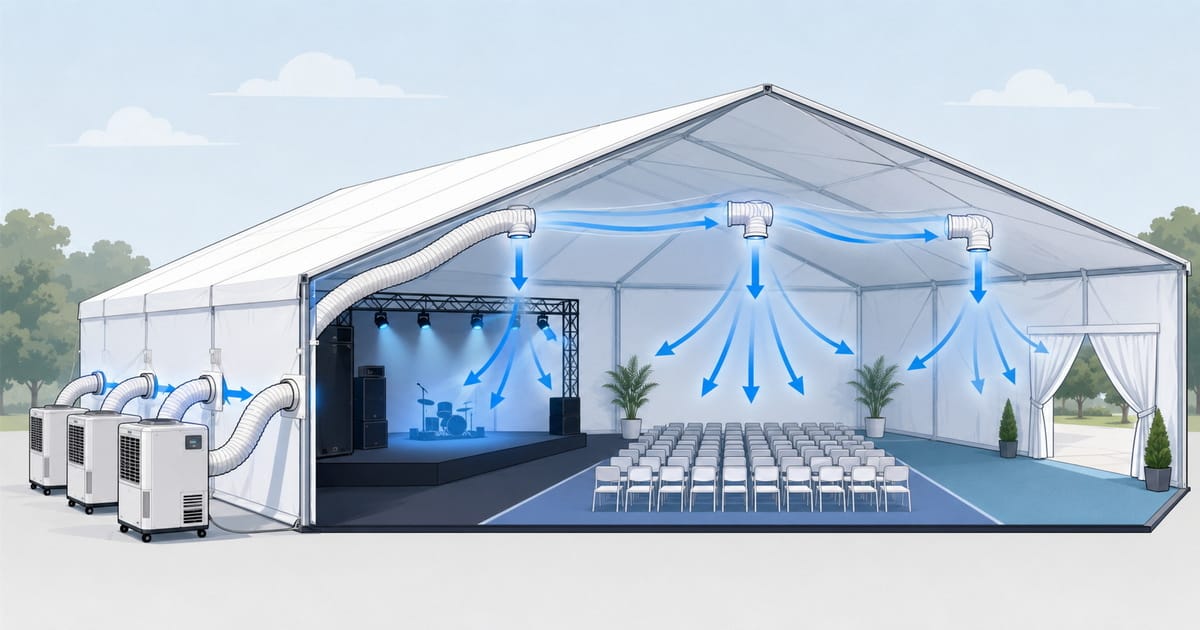
In the context of large outdoor events, mobile air conditioning generally refers to portable units designed to cool temporary structures such as event tents, marquees, and modular halls. These units are typically positioned outside the tent and connected via flexible ducts that distribute cool air inside. Because they are designed for quick deployment, they lend themselves well to sites that change frequently.
Key characteristics of mobile air conditioning in events include:
– High mobility, allowing units to be moved as layouts and crowd flows change.
– Modular capacity that can be scaled up or down depending on tent size and attendance.
– Minimal structural requirements beyond basic duct openings and access around the tent.
– Compatibility with temporary power sources, including generators and event power grids.
Mobile air conditioning shines when you need to cool large volumes of air under fabric roofs and walls, where traditional building HVAC systems are not practical or even possible.
Typical Use‑Cases for Mobile Air Conditioning
Mobile units are widely used in:
– Product launch tents and trade show pavilions.
– Corporate hospitality lounges and VIP marquees.
– Wedding venues and gala events hosted under large fabric structures.
– Registration tents, information booths, and temporary service points.
In these scenarios, the emphasis is on guest comfort, visual harmony with the event design, and the ability to adjust capacity and placement as the event evolves.
What Is Trailer Air Conditioning?
Trailer Air Conditioning for Mobile Units and Fleets
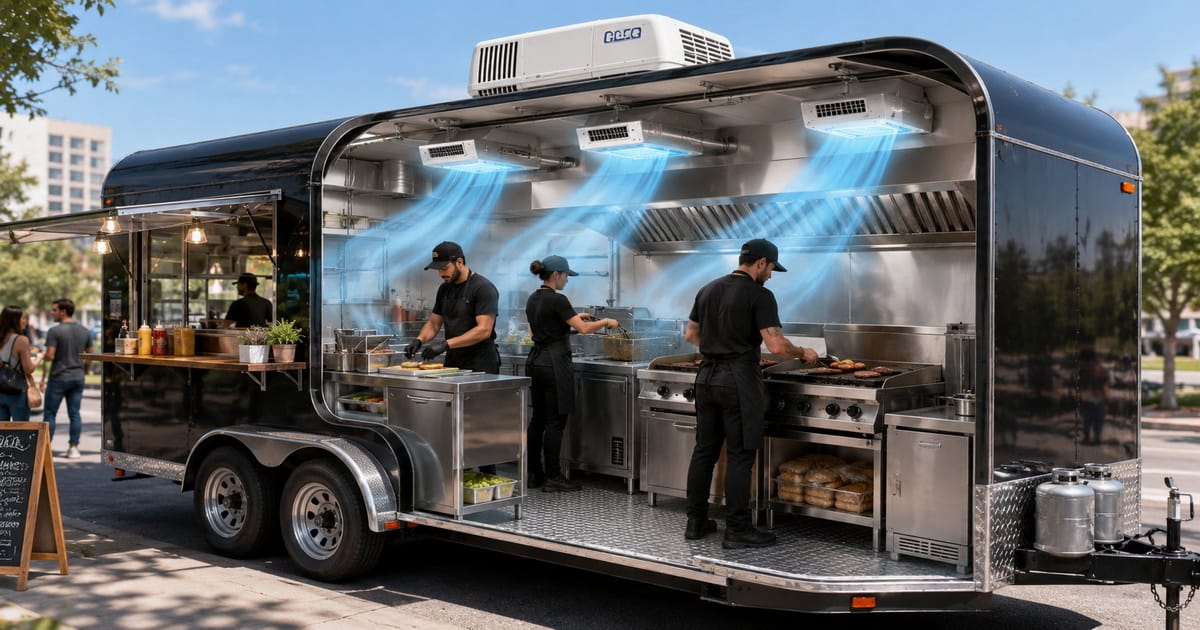
Trailer air conditioning is designed for enclosed mobile structures such as food trucks, concession trailers, mobile showrooms, broadcast vans, and on‑site production units. Unlike mobile tent AC, trailer systems are typically integrated into the trailer body and electrical system. They must cope with vibration, dust, and the high heat loads generated by kitchens or electronic equipment.
Key characteristics of trailer air conditioning include:
– Fixed or semi‑fixed installation on the trailer roof, wall, or inside the structure.
– Cooling capacity tailored to compact yet high‑load spaces.
– Reinforced components designed for movement, shocks, and long run times.
– Integration with the trailer’s wiring, controls, and interior layout.
These systems are less about flexibility on site and more about reliable performance wherever the trailer goes.
Typical Use‑Cases for Trailer Air Conditioning
Trailer AC is commonly installed in:
– Food trucks and catering trailers that generate significant heat.
– Mobile bars and beverage trailers that must protect product quality.
– Production and media trailers with sensitive electronics.
– Mobile showrooms and brand experience trailers used in touring campaigns.
In these environments, the priority is protecting staff, equipment, and stock from excessive heat while delivering a consistent experience at every location.
Mobile vs Trailer Air Conditioning: Event Use‑Cases Compared
Where Each Solution Fits Best
In a large outdoor event, mobile and trailer air conditioning are rarely direct substitutes. Instead, each solution fits particular spaces and roles:
– Mobile air conditioning is typically the best choice for large public spaces such as main event tents, exhibition halls, and VIP marquees. These structures need high‑volume cooling and benefit from modular units that can be repositioned.
– Trailer air conditioning is the better fit for enclosed operational spaces like food trucks, concession trailers, production units, and mobile retail or showroom trailers, where heat is concentrated and structural integration is essential.
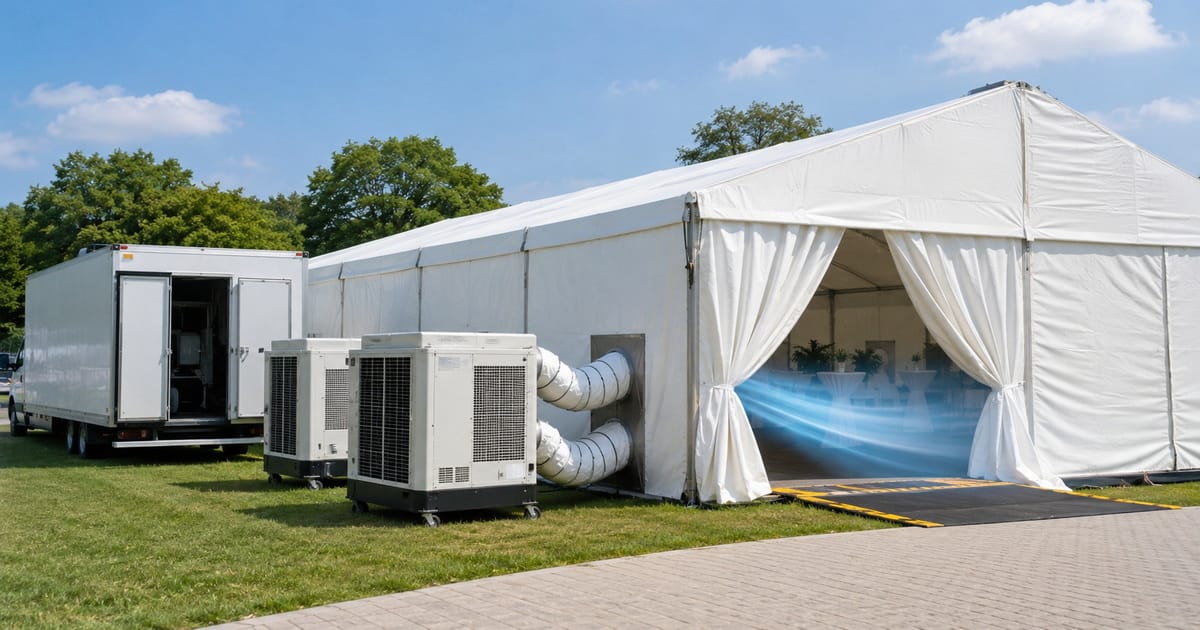
A balanced event plan often uses both: mobile AC for guest‑facing tent areas and trailer AC for operational and commercial units around the site.
Example Event Layout
Imagine a large outdoor festival with:
– A main performance tent and several themed marquees.
– A ring of food trucks and beverage trailers around the perimeter.
– Media and production trailers behind the scenes.
In this case, mobile air conditioning handles the main tent and large marquees, ensuring audience comfort. Trailer AC manages the food trucks and production trailers, keeping staff safe and equipment stable. The result is a coherent climate strategy across both public and operational zones.
Capacity, Coverage, and Performance
Cooling Wide‑Open Tent Spaces
Capacity planning for mobile air conditioning focuses on the size and nature of the tent:
– Large floor areas, often in the hundreds or thousands of square meters.
– Fabric walls and roofs that allow more heat transfer than solid construction.
– Frequent opening and closing of tent doors, causing air exchange with the outside.
– Variable occupancy throughout the day.
Because of these factors, planners typically choose higher capacity than a simple indoor rule‑of‑thumb would suggest, and distribute multiple units around the tent perimeter. Duct placement is used to minimize hot spots, deliver air to busy zones, and avoid uncomfortable drafts in seating areas.
Cooling Compact but High‑Load Trailer Spaces
Trailer air conditioning capacity is driven primarily by:
– Internal heat sources such as cooking equipment or AV systems.
– Compact space with high occupant density.
– Long operating hours, especially in food service or production environments.
– Thermal characteristics of the trailer shell and any insulation.
A food trailer with fryers and grills can easily generate more heat than a similarly sized office space, demanding robust cooling and careful ventilation. Trailer AC systems are selected and positioned to ensure air reaches the hot working areas, not just the ceiling.
Power, Installation, and On‑Site Logistics
Mobile Air Conditioning: Fast Deployment for Temporary Sites
Mobile air conditioning systems are built with temporary events in mind. They are designed to:
– Connect quickly to event power networks or generators.
– Require minimal structural changes to tents, often just duct openings and space outside.
– Be moved or removed without affecting the tent structure.
– Scale up or down with the number and size of tents on site.
This makes mobile AC ideal for events that change venues regularly, use different tent suppliers, or expand and contract in size from year to year.
Trailer Air Conditioning: Integrated Reliability
Trailer AC systems are part of the trailer’s built environment. Once installed, they offer:
– Predictable airflow and performance every time the trailer is deployed.
– Clean exterior or interior integration that respects trailer design.
– Reduced daily setup time compared with portable systems that must be wheeled into place.
The trade‑off is flexibility: while the trailer can move between venues, the AC system is tied to that specific unit. Adjusting capacity or airflow later can involve structural changes rather than simple repositioning.
Cost, Ownership, and Long‑Term Value
Mobile Air Conditioning for Event‑Based Budgets
For organizers who think in terms of individual events, mobile air conditioning aligns well with:
– Short‑term rental or leasing models.
– Variable capacity according to the scale of each event.
– Reduced capital commitment, since the units do not need to be owned outright.
This approach is particularly suitable for agencies managing multiple clients, companies launching new event formats, or organizers whose event schedule and size differ significantly from year to year.
Trailer Air Conditioning as a Fleet Investment
Trailer AC typically represents a capital investment that becomes part of the value of each trailer:
– The system enhances staff comfort and productivity over many deployments.
– It protects equipment and stock from heat‑related damage.
– It supports more ambitious mobile service concepts, such as high‑end food experiences or premium mobile showrooms.
For manufacturers building or supplying trailers, a well‑specified AC system can be a clear competitive advantage, especially in hot climates or in segments where staff conditions are under scrutiny.
Comfort, Noise, and User Experience
Guest‑Facing Spaces in Tents
In large event tents, user experience is heavily influenced by:
– Thermal comfort, ensuring the majority of guests feel neither hot nor cold.
– Sound levels, since loud mechanical noise can interfere with performances or presentations.
– Visual integration of ducts and units into the tent design.
Modern mobile air conditioning units for events increasingly focus on achieving stable temperatures with lower noise and more discreet placement, supporting both comfort and aesthetics.
Staff‑Focused Trailer Environments
Inside trailers, the main concerns are:
– Air quality and temperature for staff working long shifts.
– Proper ventilation of cooking fumes and equipment heat.
– Reliable performance despite vibration, grease, and dust.
Here, the user experience is about safety, endurance, and the ability to deliver consistent service throughout the day. A well‑designed trailer AC system reduces fatigue, protects equipment, and helps maintain product quality.
Practical Selection Steps for Event Organizers
Mapping Needs Before Choosing Systems
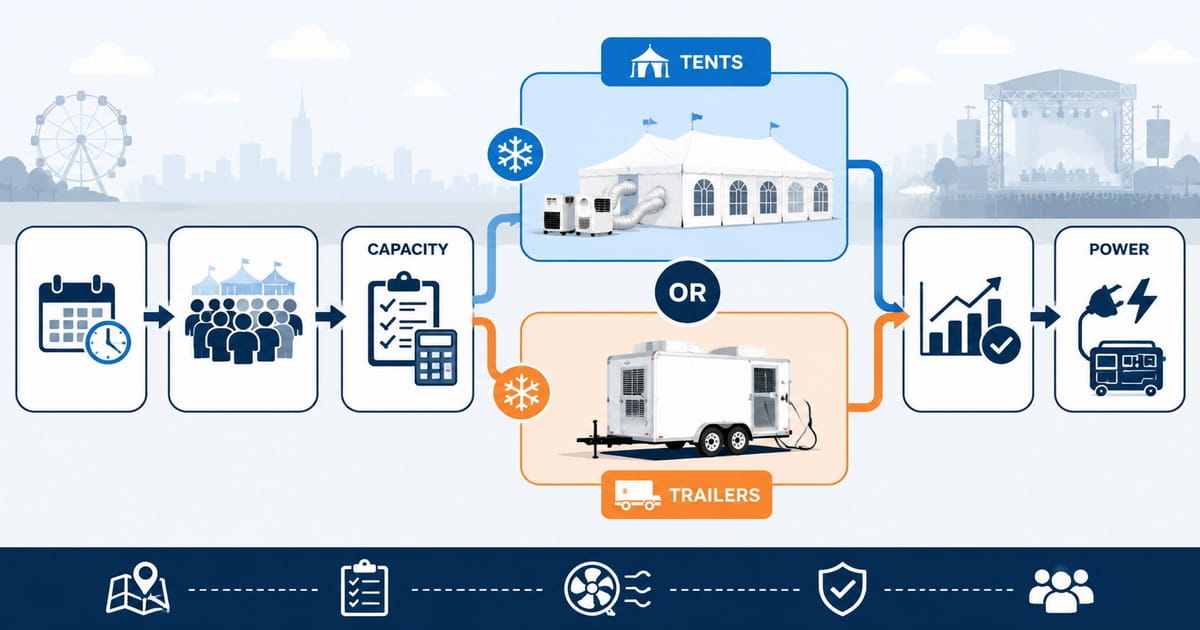
Before deciding between mobile and trailer air conditioning, or committing to a particular mix, organizers can follow a simple planning process:
1. List all structures on site
Include tents, marquees, food trucks, trailers, registration points, and technical units.
2. Define the role of each space
Separate guest‑facing spaces, operational spaces, kitchens, storage, and production areas.
3. Estimate heat loads and occupancy
Consider cooking equipment, AV systems, sun exposure, and how many people use each space.
4. Match system types to each zone
Assign mobile air conditioning to large, flexible tent structures; assign trailer AC to enclosed mobile units.
5. Refine capacity and placement with a specialist
Work with a climate control supplier to confirm capacity, duct layout, and installation details for each zone.
By following these steps, organizers reduce the risk of under‑sizing or misplacing equipment and create a coherent climate strategy across the site.
How an Integrated Supplier Like DREZ Supports Event Climate Control
Tent‑Focused Mobile Air Conditioning Solutions
DREZ (Guangzhou) Intelligent Technology Co., Ltd. provides mobile air conditioning solutions specifically tailored to large tents and temporary structures used in outdoor events. These systems combine:
– High capacity suited to large fabric structures.
– Durable construction for repeated transport and installation.
– Options for both cooling and heating to cover different seasons and climates.
Through customized services, DREZ can adapt unit specifications and external design to align with event branding and regional performance expectations.
Trailer Air Conditioning for Manufacturers and Brands
For trailers, DREZ supports manufacturers and brand owners in defining key air conditioning features early in the design process. Working from an OEM or ODM perspective, this involves:
– Selecting appropriate capacity for the intended use (kitchen, showroom, production, etc.).
– Configuring installation types and power requirements that fit the trailer structure.
– Optimizing noise levels and durability for the realities of mobile operation.
By combining experience in tent air conditioning with expertise in trailer systems, DREZ helps clients build event ecosystems where both mobile and fixed‑in‑fleet cooling work together to support comfort and reliability across the entire site.
Summary and Strategic Perspective
Mobile air conditioning is the natural choice for large, flexible tent structures where modular capacity, rapid deployment, and guest‑facing comfort are the primary concerns. Trailer air conditioning, in contrast, is essential for enclosed mobile units such as food trucks, concession trailers, and production vehicles that must operate reliably under high, concentrated heat loads.
For most large outdoor events, the most effective approach is not choosing one system over the other but combining both, assigning each to the spaces where it performs best. By mapping event spaces, understanding heat sources, and collaborating with a specialized climate control partner, organizers and manufacturers can design climate solutions that are both practical and scalable for future growth.
FAQs: Mobile Air Conditioning vs Trailer Air Conditioning
1. Can one system replace the other for large outdoor events?
In practice, mobile air conditioning and trailer air conditioning are designed for different types of spaces. Mobile units handle large tent structures, while trailer systems serve enclosed mobile units. Using each system where it fits best generally produces better results than trying to use one solution everywhere.
2. How do I estimate cooling capacity for a large tent?
Capacity planning for tents starts with floor area and expected occupancy, but must also consider fabric construction, sun exposure, and door usage. It is common to use higher capacity per square meter than would be applied in permanent buildings, and to distribute several units around the tent to achieve even comfort.
3. Is trailer air conditioning necessary for small food trucks?
Even smaller food trucks can generate intense heat from cooking equipment, especially in hot climates. An integrated trailer AC system can protect staff and product quality, making it a worthwhile investment for operators who run frequent or long‑duration events.
4. What should manufacturers consider when integrating trailer AC at build stage?
Manufacturers should consider capacity, installation type, structural support, power supply, noise levels, and maintenance access. Planning these aspects early makes it easier to deliver trailers that perform well in demanding event environments.
5. How can organizers coordinate tent and trailer climate control across an event site?
Organizers can first map all tents and trailers, assign appropriate system types to each, and then coordinate power distribution and equipment placement so that mobile and trailer units work together rather than competing. Partnering with a supplier that understands both tent and trailer cooling helps align these elements into a coherent plan.
References
1. Forbes. “Best Portable Air Conditioners 2026.”
<https://www.forbes.com/sites/forbes-personal-shopper/article/best-portable-air-conditioner/>
2. TentLogix. “Temporary HVAC & Climate Control.”
<https://tentlogix.com/hvac-climate-control/>
3. Vankool. “Best portable air cooler for Outdoor Events & Large Spaces in 2026.”
<https://vankool.com/best-portable-air-cooler-for-outdoor-events-large-spaces/>
4. YouTube. “RV AC vs Window AC vs Mini Split for Food Trucks.”
<https://www.youtube.com/watch?v=AlA2zFyIgzA>
5. DREZ. “Trailer Air Conditioner Key Features to Consider Before Buying.”
<https://www.drezaircon.com/knowledge/trailer-air-conditioner-features-to-consider-before-buying/>
6. Rankin Group. “Special Events – Temporary Climate Solutions.”
<https://www.rankingroup.com/special-events/>
Hot Tags:Mobile Air Conditioning, Trailer Air Conditioning, Tent Air Conditioning Solutions, Event Climate Control, Portable Industrial Air Conditioner, Trailer Mounted AC Unit, Outdoor Event Cooling Systems, OEM ODM Air Conditioning Manufacturer, Commercial Tent HVAC Rental, Food Truck Air Conditioning